Environmental Impacts
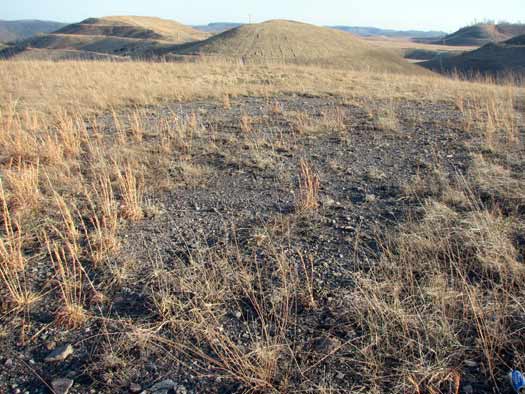
Mountaintop removal has far-reaching environmental impacts, both visible and invisible to the eye. Its impacts can be read in the landscape left in its wake - small trees dot grassy highland plateaus above valley fills, which appear as terraces formed by the hands of giants. These are the landscapes that now stand where forest-draped mountains rose above valleys and people once lived. For mountaintop removal's critics, to see the permanent alteration of the landscape brings a gut-wrenching sense of loss. However, the undeniable change in the landscape is only part of the impact mountaintop removal has on the land and people of Central Appalachia. In this section, we will explore mountaintop removal's environmental impacts, and how they ripple through the human communities and ecosystems of the Coal River Valley.
This page is a work in progress, and will eventually include a thorough discussion of the environmental impacts of each step in the mountaintop removal process, the cumulative effects, and introductions to important studies into mountaintop removal's environmental and health impacts. For more about the impacts of mountaintop removal on local communities, read about personal impacts and changes in lifestyles on the Coal River and the deteriorating quality of health in Prenter.
The North American Benthological Society and Environmental Protection Agency, Gregory J. Pond, Margaret E. Passmore, Frank A. Borsuk, Lou Reynolds, and Carole J. Rose, 2008
This is a study of the effects of mountaintop removal coal mining on biological condition in streams. It is based on samples of over 1,200 stream segments, upstream and downstream of mountaintop removal and valley fill sites. It concludes the following
- An increase of minerals in the water—zinc, sodium, selenium, and sulfate levels may increase and negatively impact fish and macro-invertebrates leading to less diverse and more pollutant-tolerant species
- Streams in watersheds below valley fills tend to have greater base flow
- Streams are sometimes covered up
- Wetlands are, at times inadvertently and other times intentionally, created; these wetlands provide some aquatic functions, but are generally not of high quality
- Forests may become fragmented (broken into sections)
- The regrowth of trees and woody plants on regraded land may be slowed due to compacted soils
- Grassland birds are more common on reclaimed mine lands as are snakes; amphibians such as salamanders, are less likely
- Valley fills are generally stable
- Cumulative environmental costs have not been identified
- There may be social, economic and heritage issues.
Coal Sludge
Once stripped from the mountain, conveyor belts or trucks carry the coal to processing plants, where a combination of water and chemicals separate heavy metals, sulfur, and other non-combustible impurities from the coal. Coal sludge is the toxic byproduct of the washing process. All of the chemicals used in the washing process, the heavy metals, sulfur and other minerals removed from the coal are part of the liquid waste.
The exact composition of coal sludge is unknown, and varies from site to site. It is known, however, that in addition to heavy metals washed away in the process, there are carcinogenic chemicals used by coal companies to remove uncombustible impurities from the coal, remain in the toxic brew. Heavy metals found in coal and coal slurry include arsenic, boron, cadmium, chromium, mercury, nickel and selenium. Vast quantities are produced each day in the Central Appalachian coalfields, including the coal processing plants in the Coal River Valley.
Although alternatives to liquid storage exist, the most common ways of storage for coal sludge are lakes held back by earthen dams and injection into abandoned underground mines. To learn about the environmental and health impacts of slurry injection, read Public Health & Coal Slurry, which explores the contamination of well water in Prenter, W.Va., by underground slurry. Whether through the catastrophic potential of dam collapse or the slow seeping of toxic slude into well water, as experienced in Prenter Hollow, both forms of liquid storage present significant environmental and health hazards.
 Listen to an interview with Ernie Thompson.
Sludge Impoundments
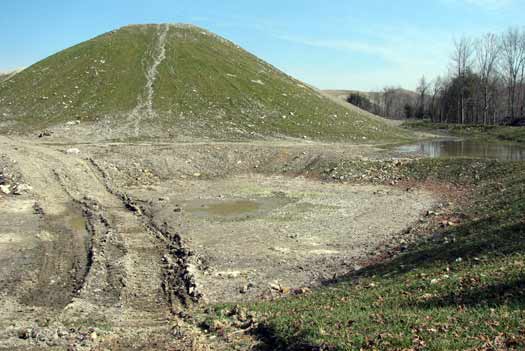
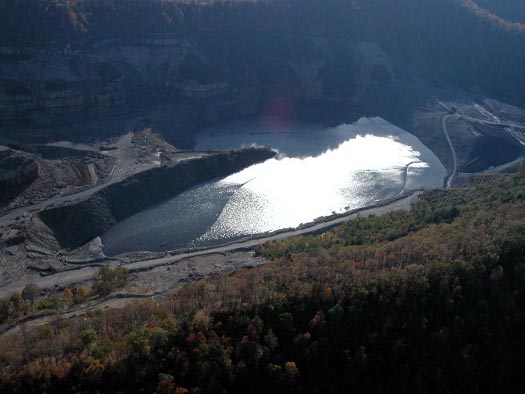
Sludge impoundments are dams that hold back ponds or lakes of sludge. These dams are often constructed at the mouth of hollows from compacted earth and rock, shorn off of a neighboring mountain's top during the mining process. Impoundments can hold up to 9 billion gallons of sludge. In the Coal River Valley, there are two massive impoundments, Shumate, above Marshfork Elementary School, and Brushy Fork, on Coal River Mountain above Pettus.
Alternatives and Progress towards Sludge Safety
The Sludge Safety Project, a joint project of multiple environmental and citizen advocacy groups, notes that coal companies do have alternative ways to prep coal for market without creating slurry, but they are more expensive.
In November of 2006, the West Virginia Department of Environmental Protection (DEP) told a state legislative subcommittee that about 100 chemicals can be used to prep coal and that the slurry simply could not travel out of the mines where it is injected.
The DEP’s Division of Water and Waste Management began issuing injection permits in 1999, in the name of controlling underground injections. They have documented more than 400 injections into underground mines since 2000.
For more information visit: Sludge Safety Project

Sludge Dam Disasters
As long as they've been built, sludge dams have posed a risk to coal field residents. The devastation rought by their past failures has at times stoked the flames of anti-mountaintop removal movements, even though coal sludge is a product of both underground and surface-mined coal. The following three disasters are emblazened into the public memory, and no story of coal mining is complete without an introduction to them.
Buffalo Creek Flood
When Pittston Coal Company's coal sludge impoundment Dam No. 3 burst under heavy rain on Feb. 26, 1972, the sludge swept through the Buffalo Creek Hollow in Logan County, W.Va., killing 125 people. Four days prior, the dam had been declared 'satisfactory' by a federal mine inspector.
Sixteen coal mining hamlets were nestled in the Buffalo Creek hollow. The flood unleashed 132 million gallons of black and grey sludge, sending a wave cresting at over 30-feet-high, upon the hollow's 5,000 residents. 1,121 wer injured and over 4,000 left homeless. 551 homes and 30 businesses were destroyed. In its legal filings, Pittston Coal referred to the accident as "an Act of God."
Dam No. 3 had been constructed of coarse mining refuse dumped into the Middle Fork of Buffalo Creek starting in 1968, and was the first of three dams to fail. Having overwhelmed Dam No. 3, the water cascaded into Dam Nos. 2 and 1, bursting through their walls and into the hollow. Dam No. 3 had been built on top of coal slurry sediment that had collected behind Nos. 1 and 2, instead of on solid bedrock. No. 3 was appoximately 260 feet above the town of Saunders when it failed.
Dam No. 3 had been constructed of coarse mining refuse dumped into the Middle Fork of Buffalo Creek starting in 1968, and was the first of three dams to fail. Having overwhelmed Dam No. 3, the water cascaded into Dam Nos. 2 and 1, bursting through their walls and into the hollow. Dam No. 3 had been built on top of coal slurry sediment that had collected behind Nos. 1 and 2, instead of on solid bedrock. No. 3 was appoximately 260 feet above the town of Saunders when it failed.
Martin County Sludge Spill
Oct. 11, 2000: The bottom of a Massey Energy-owned impoundment collapsed, spilling sludge into an underlying, abandoned deep mine on Oct. 11, 2000. This incident propelled 306 million gallons of sludge down two tributaries of the Tug Fork River.
The Tug Fork is a tributary of the Big Sandy River, 154 miles long, in southwestern West Virginia, southwest Virginia and eastern Kentucky. The Big Sandy, in turn, is a tributary of the Ohio River. The spill polluted hundreds of miles of waterways including the Ohio.
Tennessee Valley Authority Coal Ash Spill
Dec. 22, 2008: A retention pond wall at the Tennessee Valley Authority's (TVA) Kingston plant, in Harriman, Tenn., collapsed on Dec. 22, 2008, unleashing a torrent of coal ash laden water. The disastrous, record-breaking spill flooded 12 homes, spilled into nearby Watts Bar Lake and contaminated the Emory River. Coal Ash is the solid waste that remains after coal is burnt in power plants and is often stored in water retention ponds. Officials estimated that 400 acres of land were covered in four-to-six feet of waste. Hundreds of fish were floating dead downstream from the plant and water tests showed elevated levels of lead and thallium.
Originally, TVA estimated that 1.7 million cubic yards of waste had burst through the storage facility and that the pond had contained a total of about 2.6 million cubic yards of sludge. However, the company revised its estimates on December 26, when it released an aerial survey showing that 5.4 million cubic yards (1.09 billion gallons) of fly ash was released from the storage facility.
Sylvia_Bradford1-max.mp3Sylvia Bradford clip 1hazy-04-hazy-and-shumates-today
Sylvia_Bradford2-max.mp3Sylvia and Rick Bradford on how MTR has affected their liveshazy-04-hazy-and-shumates-today
Sylvia_Bradford3-max.mp3The Bradfords and trainshazy-04-hazy-and-shumates-today
debbie_jarrell-1-max.mp3Debbie Jarrell on disappearing housing stockhazy-04-hazy-and-shumates-today
Charles-EdClip3.mp3Ed Wiley on the Appalachian Mtns. and waterhazy-04-hazy-and-shumates-today
Sylvia_Bradford5-max.mp3The Bradfords on lack of accesshazy-04-hazy-and-shumates-today
debbie_jarrell-1-max.mp3Debbie Jarrell on Marsh Fork Elementarycoal_river_101-06-changes-in-lifestyle
debbie_jarrell-2-max.mp3Debbie Jarrell on lack of access to the mountainscoal_river_101-06-changes-in-lifestyle
MTR2CharlieBEdit1.mp3Charles Ballard on changes since MTRcoal_river_101-06-changes-in-lifestyle
BettyRoss.mp3Betty Ross on Floodingcoal_river_101-06-changes-in-lifestyle
Meadows1.mp3Jimmy Meadows on outmigrationcoal_river_101-05-outmigration
judy_crm_clip1.mp3Judy Bonds on Coal River Mountaincrm-01-current-land-use-on-coal-river-mountain
Charles-EdClip2.mp3Ed Wiley on Health Effects at MFEhazy-02-marsh-fork-elementary
Thompsonclip1.mp3Ernie Thompson on Slurry Impoundmentsmtr-02-environmental-impacts
Thompsonclip2.mp3Ernie Thompson "Money got in the way"mtr-03-legislation-permits-regulations
Maria1.mp3Maria Lambert on Water Qualityprenter-04-health
Rory-GB4.mp3Gary Anderson on Coal River Windwind-01-introduction-to-coal-river-wind
Rory-GB3.mp3Barbara Anderson discusses Mountain Access and Traditional Usewind-01-introduction-to-coal-river-wind
Rory-Chuck1.mp3Chuch Nelson on Threat of Valley Fills on Coal River Mountainwind-02-the-threat-of-mtr-on-coal-river-mountain
Rory-GB2.mp3Gary Anderson describes 2001 Clear Fork Floodswind-02-the-threat-of-mtr-on-coal-river-mountain
Rory-Chuck4.mp3Chuch Nelson "We gotta shut 'em down"wind-02-the-threat-of-mtr-on-coal-river-mountain
Rory-Judy2.mp3Judy Bonds "The Last Vestige of Jobs and Sustainability"wind-03-the-coal-river-mountain-wind-campaign
Rory-GB5.mp3Gary Anderson Imagines a New Wind Industrywind-04-wind-vs-mtr-for-coal-river-mountain-the
Rory-Chuck3.mp3Chuck Nelson "This is Our Last Chance"wind-06-a-just-transition
MTR2VernonHEdit1B.mp3Vernon Haltom on Protecting Places and Resourcescrm-01-current-land-use-on-coal-river-mountain
EdWileyInEdit1.mp3Ed Wiley "A Magical Place"crm-02-community-land-use-in-coal-river-valley
Meadows1.mp3Jimmy Meadows on Loss of Underground Mining Jobscrm-03-undergound-mining
Charles-EdClip1.mp3Ed Wiley on Sludge Impoundmentshazy-02-marsh-fork-elementary
238002.mp3Laffon Pettry, "Molly mooching"crm-02-community-land-use-in-coal-river-valley
080009.mp3Donna Wills, "nothing I can't can"crm-02-community-land-use-in-coal-river-valley
074025.mp3Randy Halstead, Joys of ginsengincrm-02-community-land-use-in-coal-river-valley
077007.mp3Joe Aliff, harvest timecrm-02-community-land-use-in-coal-river-valley
088006.mp3John Bowman, keeping the mash warmcrm-02-community-land-use-in-coal-river-valley
050002.mp3Benny Turner, Native Americans on Bolt Mtn.coal_river_101-01-history-of-coal-river-part-1
077010.mp3Joe Aliff and his Cherokee grandfathercoal_river_101-01-history-of-coal-river-part-1
119011.mp3Howard Miller, corn-woodland-pastureland systemcoal_river_101-01-history-of-coal-river-part-1
215001.mp3Howard Miller, people hiding on mtn. from marauding soldierscoal_river_101-01-history-of-coal-river-part-1
Joe_Aliff_we_had_a_full_fledged_war_077022.mp3Joe Aliff, arming miners for Battle of Blair Mtn.coal_river_101-02-history-of-coal-river-part-2
046012.mp3Mae Bongalis, a visit with Mother Jonescoal_river_101-02-history-of-coal-river-part-2
141006.mp3Cody Dickens, a visit from the land companycoal_river_101-04-absentee-land-ownership
162008.mp3Dr. Jim Michael Wills of Rock Creek on absentee landownershipcoal_river_101-04-absentee-land-ownership
038002.mp3Shorty Bongalis on West Virginians migrating to Ohiocoal_river_101-05-outmigration
088003.mp3John Flynn about moonshinincoal_river_101-05-outmigration
088004.mp3John Bowman, staying in Coal River by moonshinincoal_river_101-05-outmigration
077024.mp3Joe Aliff, how Coal River Mtn. is a drug storecrm-01-current-land-use-on-coal-river-mountain
Thompsonclip1.mp3Ernie Thompson, former mine inspector on slurry impoundmentscrm-05-the-brushy-fork-slurry-impoundment
Jen-JackSpaderoClips.mp3Jack Spadero, engineer on impacts of MTR and slurrycrm-05-the-brushy-fork-slurry-impoundment
Rory-GB4.mp3Gary Anderson, Coal River Mountain Wind campaignwind-06-a-just-transition
Rory-Judy1.mp3Judy Bonds, coal is NOT West Virginiawind-06-a-just-transition
hazy-01-near-the-mouth-of-hazy1hazy3
coal_river_101-01-history-of-coal-river-part-11coal-river-1011
crm-01-current-land-use-on-coal-river-mountain1crm2
prenter-01-prenter-and-surrounding-communities1prenter4
mtr-01-introduction1mtr6
wind-01-introduction-to-coal-river-wind1wind7
cresources-01-community-resource-mapping1cresources5
hazy-02-marsh-fork-elementary2hazy3
coal_river_101-02-history-of-coal-river-part-22coal-river-1011
crm-02-community-land-use-in-coal-river-valley2crm2
prenter-02-water-quality2prenter4
mtr-02-environmental-impacts2mtr6
wind-02-the-threat-of-mtr-on-coal-river-mountain2wind7
cresources-02-children-are-the-future-of-the-coal-rive2cresources5
hazy-03-absentee-land-ownership3hazy3
coal_river_101-03-glimpse-into-a-coal-river-family-mid-20t3coal-river-1011
crm-03-undergound-mining3crm2
prenter-03-coal-slurry3prenter4
mtr-03-legislation-permits-regulations3mtr6
wind-03-the-coal-river-mountain-wind-campaign3wind7
cresources-03-bill-lucas3cresources5
hazy-04-hazy-and-shumates-today4hazy3
coal_river_101-04-absentee-land-ownership4coal-river-1011
crm-04-forest-resources-and-timbering4crm2
prenter-04-health4prenter4
wind-04-wind-vs-mtr-for-coal-river-mountain-the4wind7
cresources-04-chronicling-the-coal-river-valley-s-coal4cresources5
hazy-05-update-lawsuits-possible-new-location-fo5hazy3
coal_river_101-05-outmigration5coal-river-1011
crm-05-the-brushy-fork-slurry-impoundment5crm2
prenter-05-community-responses5prenter4
wind-05-wind-vs-mtr-for-coal-river-mountain-ener5wind7
cresources-05-clear-fork-couple5cresources5
coal_river_101-06-changes-in-lifestyle6coal-river-1011
crm-06-community-letter-to-w-va-gov-joe-manchin6crm2
prenter-06-stories-from-prenter6prenter4
wind-06-a-just-transition6wind7
cresources-06-connie-and-terry-dillon6cresources5
prenter-07-news7prenter4
wind-07-update-blasting-has-begun-on-coal-river7wind7
cresources-07-danny-cook-and-mack-james-creek7cresources5
wind-08-organizing-for-wind-power8wind7
cresources-08-debbie-jarrell8cresources5
cresources-09-delbert-and-judy-gunnoe9cresources5
cresources-10-elmer-mays-horse-creek10cresources5
cresources-11-frankie-mooney11cresources5
cresources-12-gary-and-barb-anderson12cresources5
cresources-13-jimmy-platt13cresources5
cresources-14-junior-walk14cresources5
cresources-15-justin-wills15cresources5
cresources-16-kathleen-dickens16cresources5
cresources-17-kay-and-danny-howell17cresources5
cresources-18-kendra-dickens18cresources5
cresources-19-lonnie-burnside19cresources5
cresources-20-project-build-it-up-wv-summer-youth-prog20cresources5
cresources-21-project-community-greenhouse21cresources5
cresources-22-project-first-solar-thermal-installation22cresources5
cresources-23-project-greenhouse-gardens23cresources5
cresources-24-project-mural-project-in-whitesville24cresources5
cresources-25-project-the-tadpole-project25cresources5
cresources-26-rachel-bey26cresources5
cresources-27-ray-and-lottie-cottrell27cresources5
cresources-28-sandy-simmons28cresources5
cresources-29-shannon-dickens29cresources5
cresources-30-sharon-thompson30cresources5
cresources-31-sheila-and-natasha-walk31cresources5
cresources-32-sherry-geisler32cresources5
cresources-33-wilma-cook33cresources5
Charles Ballardcoal_river_101-06-changes-in-lifestyle

Judy Bondscrm-01-current-land-use-on-coal-river-mountain
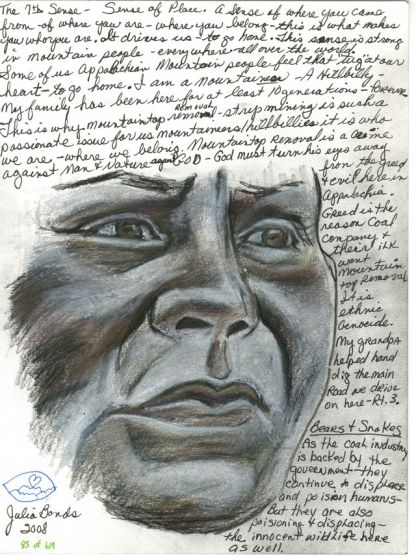
Judy Bonds, 1 of 3coal_river_101-01-history-of-coal-river-part-1
Judy Bonds, 2 of 3coal_river_101-01-history-of-coal-river-part-1
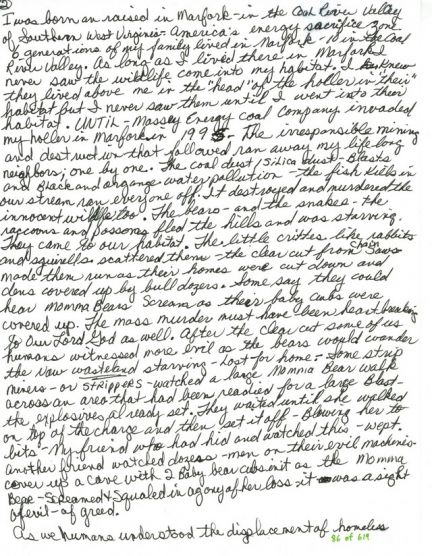
Judy Bonds, 3 of 3coal_river_101-01-history-of-coal-river-part-1
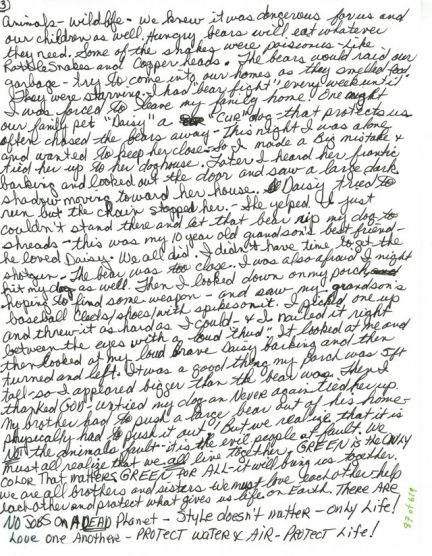
Sarah Haltomcrm-01-current-land-use-on-coal-river-mountain

Vernon Haltomcrm-01-current-land-use-on-coal-river-mountain

Vernon Haltomhazy-02-marsh-fork-elementary
Debbie Jarrellcoal_river_101-06-changes-in-lifestyle

Debbie Jarrellhazy-04-hazy-and-shumates-today
Debbie Jarrellwind-01-introduction-to-coal-river-wind
Debbie Jarrellhazy-02-marsh-fork-elementary
Debbie Jarrellcoal_river_101-05-outmigration
Jen Oshacrm-03-undergound-mining
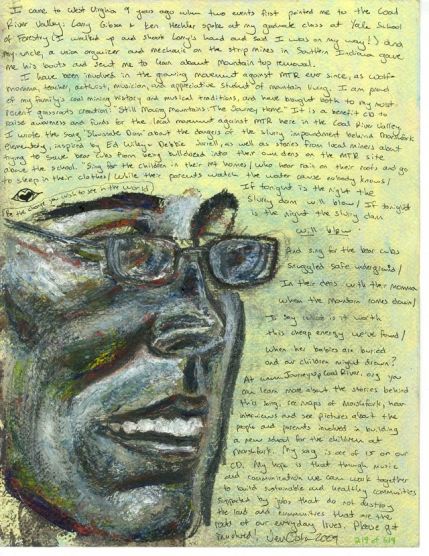
Jen Oshacoal_river_101-06-changes-in-lifestyle
Jen Oshahazy-04-hazy-and-shumates-today
Jen Oshacrm-05-the-brushy-fork-slurry-impoundment
Jen Oshaprenter-07-news
Jen Oshacrm-04-forest-resources-and-timbering
Jen Oshahazy-01-near-the-mouth-of-hazy
Jen Oshahazy-02-marsh-fork-elementary
Ed Wileyhazy-02-marsh-fork-elementary
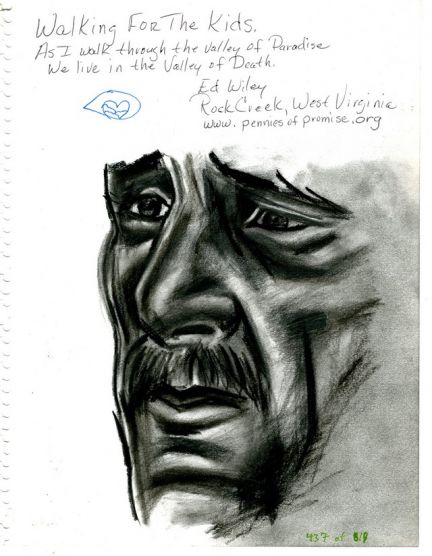
Ed Wileyhazy-04-hazy-and-shumates-today
Ed Wileycrm-02-community-land-use-in-coal-river-valley
Ed Wileycoal_river_101-06-changes-in-lifestyle