Absentee Land Ownership
Understanding the quest for land illuminates the history of the Appalachian people. Geography influences the region's history in dramatic ways. Appalachian history must be studied from this perspective because its problems are posed and revealed by place. --Barbara Rasmussen
The process of outside land ownership in West Virginia has been a central part of timber and coal extraction. Timber and coal companies needed to gain access to the resources that lay on or under the land owned by Coal River residents. While outside land ownership had existed since the early explorations of the valley, when land companies formed at the end of the 19th Century as railroads expanded into the valley, the first large-scale exploitation of timber and coal was possible. As Barbara Rasmussen states in her work, Absentee Landowning & Exploration in West Virginia, 1760-1920, the exploitative power residents faced because of the disproportionate land ownership patterns when railroads entered the region, as "industrialists successfully exploited the region because they controlled the land and the political system. Their power allowed them to exploit callously the local culture, the natural resources, and thousands of immigrant workers."
Early land companies, such as the Rowland Land Company combined many existing timber and coal companies and leases together, and then shifted their attention to acquiring the land of Coal River residents. Rick Bradford, in his book Edwight, Near the Mouth of the Hazy, explains how land companies developed:
On Dec. 4, 1902, the Bowman Lumber Company and the West Virginia Syndicate, a timber concern, formed the Rowland Land company to take title to all of the property that the Bowman Lumber Company, the Big Coal Development Company (formed to extend the C&O Railroad), and these various agents had been acquiring.
In this way, different corporate interests could combine their efforts in order to develop the coalfields of Coal River Valley. “Now the stage was set for industrial exploitation. The people had been separated from their land by the 'broad form' deeds, and the railroad had been built,” Bradford wrote. “Waiting in the wings were corporations willing to take the leases.”
.jpg "Rowland Land Company office")
The old Rowland Land Company office on Coal River. Photo by Rick Bradford.
Land companies such as Rowland acquired thousands of acres of mineral and timber rights which they have since leased only to coal and timber operators. In a 1996 interview with Mary Hufford, Quentin Barrett explained the process of purchasing mineral rights: “these larger corporations and companies…they would come in and give a man an acre of land or just his home—they owned it, but he’d live on it the rest of his life," Barrett continues, “but he had a right to cut firewood, gather ginseng, whatever, do what he wanted—treat it like it was his. They paid the taxes and paid him a little something."
The broad-form deed was a tool used to get large tracts of land into the hands of land agents. Rick Bradford wrote, “the 'broad-form' deed when signed gave the coal or land company the right to use the surface in any way 'convenient and necessary' to excavate the minerals” Rick continues, “it absolved the company from any liability for damages caused directly or indirectly by the mining operation on that land; and it passed on ownership of that particular tract of land 'to the parties of the second part, their heirs and assigns.”
The loss of mineral rights is deeply rooted within the collective memory of coalfield residents, most of whom point to the confusing and misleading language of the land company contracts as a tool used to swindle property owners who often did not know the full value of the resources. Establishing contending claims to property, sometimes by paying delinquent taxes from before the Civil War, land companies would offer to compromise with people whose families had worked the land for generations.

Listen to Cody Dickens, of Peach Tree Creek, telling the story of his father-in-law's reaction to a visit from the land company agents. Tending the Commons audio courtesy American Folklife Center, Library of Congress.
managed to gain control of the valuable timber and coal deposits which they could then lease to timber or coal companies. Barrett highlights just how successful the land companies were in the past and continue to be in the present: “When you drive around and see these hills, they don’t belong to the people, they belong to these land companies."
Current land ownership patterns on Coal River reflect years of economic entrenchment and power at the hands of absentee land ownership companies. According to Raleigh County, West Virginia courthouse records, approximately over fifty percent is either owned or has mineral or surface rights owned by land companies. The top land owning companies in Raleigh County in order of greatest land or rights owned are:
- Rowland Land Company
- Southern Land Company
- Pocahontas Land Company
- Piney Land Company
- McCreery Land and Coal Company
Rowland Land Company, as the first large-holding land company in the region, owns by far the largest share of the five top companies, owning the land or rights to over 80,000 acres in Raleigh County. Much of the holdings of these companies are located on the Marsh and Clear Forks of Coal River, containing countless acres of mineral, surface and timbering rights leased to resource extraction corporations.
The economics of absentee land ownership have a profound negative impact on the well being of residents in the coalfields of southern Appalachia. John Gaventa, in his work "The Political Economy of Land Tenure: Appalachia & the Southeast," states the negative affects of corporate land ownership, stating "absentee and concentrated ownership of the land and natural resources mean that wealth has been drained away from the region and its people." To Gaventa, the inherent problem lies in the political power of land owning companies to avoid paying large property taxes, relied upon for the development of small communities, despite their massive land holdings.
Gaventa states "the substantial coal and timber wealth of the region fails to produce local revenues for schools, health care and other services necessary for the development of human capital."[9] By restricting community social and economic development by way of property taxes, coal, timber and their associate land companies control virtually the only major source to income within a region, such as Coal River. In response, multiple livelihood strategies are preserved by community members to fulfill many of the community support roles. The decline of underground mining and mechanization of mining through strip mining and MTR thus creates a destructive pattern. By controlling the only major source of income, Gaventa states that the "decline of land-based industries leaves rural people in the South in a double bind - with access neither to the land nor the jobs historically associated with it." Gaventa argues that community and social organizations, such as those who fight Mountaintop Removal and economic and social injustice become the primary mode of resistance and community survival in the face of corporate exploitation and power.
Listen to Dr. Jim Michael Wills, of Rock Creek discussing patterns of, and local resistance to, absentee ownership on his part of Coal River Mountain with Mary Hufford and Lyntha Eiler. Tending the Commons audio courtesy American Folklife Center, Library of Congress.
A study was conducted on a state-wide basis in 1974 to examine land ownership patterns: Who Owns WV, 1974 (PDF)
For more information on sources used in this theme, please see the Notes on Sources section.
Sylvia_Bradford1-max.mp3Sylvia Bradford clip 1hazy-04-hazy-and-shumates-today
Sylvia_Bradford2-max.mp3Sylvia and Rick Bradford on how MTR has affected their liveshazy-04-hazy-and-shumates-today
Sylvia_Bradford3-max.mp3The Bradfords and trainshazy-04-hazy-and-shumates-today
debbie_jarrell-1-max.mp3Debbie Jarrell on disappearing housing stockhazy-04-hazy-and-shumates-today
Charles-EdClip3.mp3Ed Wiley on the Appalachian Mtns. and waterhazy-04-hazy-and-shumates-today
Sylvia_Bradford5-max.mp3The Bradfords on lack of accesshazy-04-hazy-and-shumates-today
debbie_jarrell-1-max.mp3Debbie Jarrell on Marsh Fork Elementarycoal_river_101-06-changes-in-lifestyle
debbie_jarrell-2-max.mp3Debbie Jarrell on lack of access to the mountainscoal_river_101-06-changes-in-lifestyle
MTR2CharlieBEdit1.mp3Charles Ballard on changes since MTRcoal_river_101-06-changes-in-lifestyle
BettyRoss.mp3Betty Ross on Floodingcoal_river_101-06-changes-in-lifestyle
Meadows1.mp3Jimmy Meadows on outmigrationcoal_river_101-05-outmigration
judy_crm_clip1.mp3Judy Bonds on Coal River Mountaincrm-01-current-land-use-on-coal-river-mountain
Charles-EdClip2.mp3Ed Wiley on Health Effects at MFEhazy-02-marsh-fork-elementary
Thompsonclip1.mp3Ernie Thompson on Slurry Impoundmentsmtr-02-environmental-impacts
Thompsonclip2.mp3Ernie Thompson "Money got in the way"mtr-03-legislation-permits-regulations
Maria1.mp3Maria Lambert on Water Qualityprenter-04-health
Rory-GB4.mp3Gary Anderson on Coal River Windwind-01-introduction-to-coal-river-wind
Rory-GB3.mp3Barbara Anderson discusses Mountain Access and Traditional Usewind-01-introduction-to-coal-river-wind
Rory-Chuck1.mp3Chuch Nelson on Threat of Valley Fills on Coal River Mountainwind-02-the-threat-of-mtr-on-coal-river-mountain
Rory-GB2.mp3Gary Anderson describes 2001 Clear Fork Floodswind-02-the-threat-of-mtr-on-coal-river-mountain
Rory-Chuck4.mp3Chuch Nelson "We gotta shut 'em down"wind-02-the-threat-of-mtr-on-coal-river-mountain
Rory-Judy2.mp3Judy Bonds "The Last Vestige of Jobs and Sustainability"wind-03-the-coal-river-mountain-wind-campaign
Rory-GB5.mp3Gary Anderson Imagines a New Wind Industrywind-04-wind-vs-mtr-for-coal-river-mountain-the
Rory-Chuck3.mp3Chuck Nelson "This is Our Last Chance"wind-06-a-just-transition
MTR2VernonHEdit1B.mp3Vernon Haltom on Protecting Places and Resourcescrm-01-current-land-use-on-coal-river-mountain
EdWileyInEdit1.mp3Ed Wiley "A Magical Place"crm-02-community-land-use-in-coal-river-valley
Meadows1.mp3Jimmy Meadows on Loss of Underground Mining Jobscrm-03-undergound-mining
Charles-EdClip1.mp3Ed Wiley on Sludge Impoundmentshazy-02-marsh-fork-elementary
238002.mp3Laffon Pettry, "Molly mooching"crm-02-community-land-use-in-coal-river-valley
080009.mp3Donna Wills, "nothing I can't can"crm-02-community-land-use-in-coal-river-valley
074025.mp3Randy Halstead, Joys of ginsengincrm-02-community-land-use-in-coal-river-valley
077007.mp3Joe Aliff, harvest timecrm-02-community-land-use-in-coal-river-valley
088006.mp3John Bowman, keeping the mash warmcrm-02-community-land-use-in-coal-river-valley
050002.mp3Benny Turner, Native Americans on Bolt Mtn.coal_river_101-01-history-of-coal-river-part-1
077010.mp3Joe Aliff and his Cherokee grandfathercoal_river_101-01-history-of-coal-river-part-1
119011.mp3Howard Miller, corn-woodland-pastureland systemcoal_river_101-01-history-of-coal-river-part-1
215001.mp3Howard Miller, people hiding on mtn. from marauding soldierscoal_river_101-01-history-of-coal-river-part-1
Joe_Aliff_we_had_a_full_fledged_war_077022.mp3Joe Aliff, arming miners for Battle of Blair Mtn.coal_river_101-02-history-of-coal-river-part-2
046012.mp3Mae Bongalis, a visit with Mother Jonescoal_river_101-02-history-of-coal-river-part-2
141006.mp3Cody Dickens, a visit from the land companycoal_river_101-04-absentee-land-ownership
162008.mp3Dr. Jim Michael Wills of Rock Creek on absentee landownershipcoal_river_101-04-absentee-land-ownership
038002.mp3Shorty Bongalis on West Virginians migrating to Ohiocoal_river_101-05-outmigration
088003.mp3John Flynn about moonshinincoal_river_101-05-outmigration
088004.mp3John Bowman, staying in Coal River by moonshinincoal_river_101-05-outmigration
077024.mp3Joe Aliff, how Coal River Mtn. is a drug storecrm-01-current-land-use-on-coal-river-mountain
Thompsonclip1.mp3Ernie Thompson, former mine inspector on slurry impoundmentscrm-05-the-brushy-fork-slurry-impoundment
Jen-JackSpaderoClips.mp3Jack Spadero, engineer on impacts of MTR and slurrycrm-05-the-brushy-fork-slurry-impoundment
Rory-GB4.mp3Gary Anderson, Coal River Mountain Wind campaignwind-06-a-just-transition
Rory-Judy1.mp3Judy Bonds, coal is NOT West Virginiawind-06-a-just-transition
hazy-01-near-the-mouth-of-hazy1hazy3
coal_river_101-01-history-of-coal-river-part-11coal-river-1011
crm-01-current-land-use-on-coal-river-mountain1crm2
prenter-01-prenter-and-surrounding-communities1prenter4
mtr-01-introduction1mtr6
wind-01-introduction-to-coal-river-wind1wind7
cresources-01-community-resource-mapping1cresources5
hazy-02-marsh-fork-elementary2hazy3
coal_river_101-02-history-of-coal-river-part-22coal-river-1011
crm-02-community-land-use-in-coal-river-valley2crm2
prenter-02-water-quality2prenter4
mtr-02-environmental-impacts2mtr6
wind-02-the-threat-of-mtr-on-coal-river-mountain2wind7
cresources-02-children-are-the-future-of-the-coal-rive2cresources5
hazy-03-absentee-land-ownership3hazy3
coal_river_101-03-glimpse-into-a-coal-river-family-mid-20t3coal-river-1011
crm-03-undergound-mining3crm2
prenter-03-coal-slurry3prenter4
mtr-03-legislation-permits-regulations3mtr6
wind-03-the-coal-river-mountain-wind-campaign3wind7
cresources-03-bill-lucas3cresources5
hazy-04-hazy-and-shumates-today4hazy3
coal_river_101-04-absentee-land-ownership4coal-river-1011
crm-04-forest-resources-and-timbering4crm2
prenter-04-health4prenter4
wind-04-wind-vs-mtr-for-coal-river-mountain-the4wind7
cresources-04-chronicling-the-coal-river-valley-s-coal4cresources5
hazy-05-update-lawsuits-possible-new-location-fo5hazy3
coal_river_101-05-outmigration5coal-river-1011
crm-05-the-brushy-fork-slurry-impoundment5crm2
prenter-05-community-responses5prenter4
wind-05-wind-vs-mtr-for-coal-river-mountain-ener5wind7
cresources-05-clear-fork-couple5cresources5
coal_river_101-06-changes-in-lifestyle6coal-river-1011
crm-06-community-letter-to-w-va-gov-joe-manchin6crm2
prenter-06-stories-from-prenter6prenter4
wind-06-a-just-transition6wind7
cresources-06-connie-and-terry-dillon6cresources5
prenter-07-news7prenter4
wind-07-update-blasting-has-begun-on-coal-river7wind7
cresources-07-danny-cook-and-mack-james-creek7cresources5
wind-08-organizing-for-wind-power8wind7
cresources-08-debbie-jarrell8cresources5
cresources-09-delbert-and-judy-gunnoe9cresources5
cresources-10-elmer-mays-horse-creek10cresources5
cresources-11-frankie-mooney11cresources5
cresources-12-gary-and-barb-anderson12cresources5
cresources-13-jimmy-platt13cresources5
cresources-14-junior-walk14cresources5
cresources-15-justin-wills15cresources5
cresources-16-kathleen-dickens16cresources5
cresources-17-kay-and-danny-howell17cresources5
cresources-18-kendra-dickens18cresources5
cresources-19-lonnie-burnside19cresources5
cresources-20-project-build-it-up-wv-summer-youth-prog20cresources5
cresources-21-project-community-greenhouse21cresources5
cresources-22-project-first-solar-thermal-installation22cresources5
cresources-23-project-greenhouse-gardens23cresources5
cresources-24-project-mural-project-in-whitesville24cresources5
cresources-25-project-the-tadpole-project25cresources5
cresources-26-rachel-bey26cresources5
cresources-27-ray-and-lottie-cottrell27cresources5
cresources-28-sandy-simmons28cresources5
cresources-29-shannon-dickens29cresources5
cresources-30-sharon-thompson30cresources5
cresources-31-sheila-and-natasha-walk31cresources5
cresources-32-sherry-geisler32cresources5
cresources-33-wilma-cook33cresources5
Charles Ballardcoal_river_101-06-changes-in-lifestyle
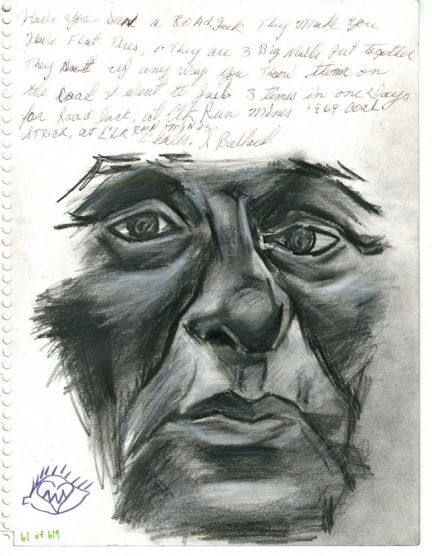
Judy Bondscrm-01-current-land-use-on-coal-river-mountain
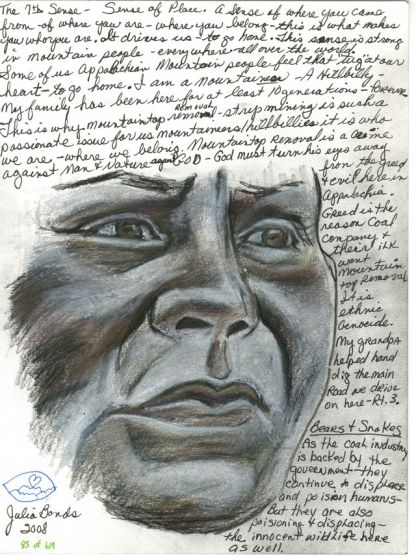
Judy Bonds, 1 of 3coal_river_101-01-history-of-coal-river-part-1
Judy Bonds, 2 of 3coal_river_101-01-history-of-coal-river-part-1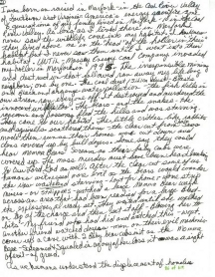
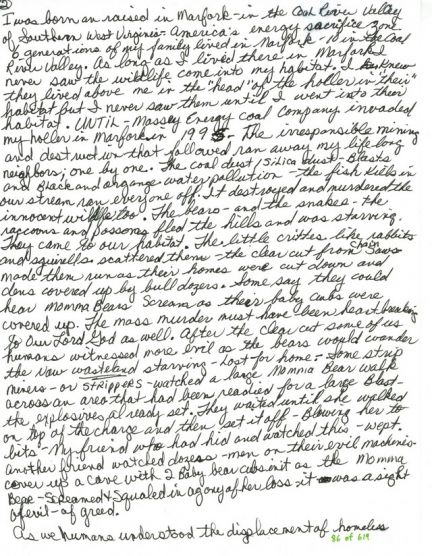
Judy Bonds, 3 of 3coal_river_101-01-history-of-coal-river-part-1
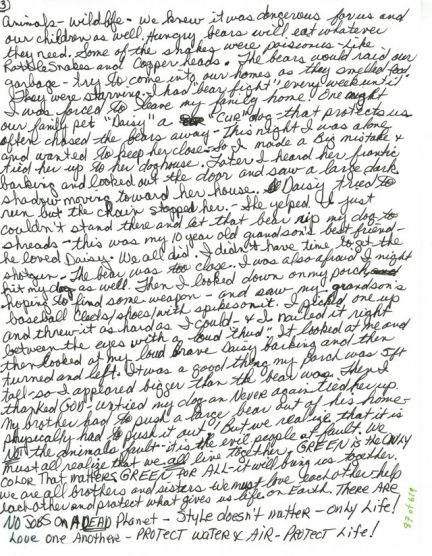
Sarah Haltomcrm-01-current-land-use-on-coal-river-mountain
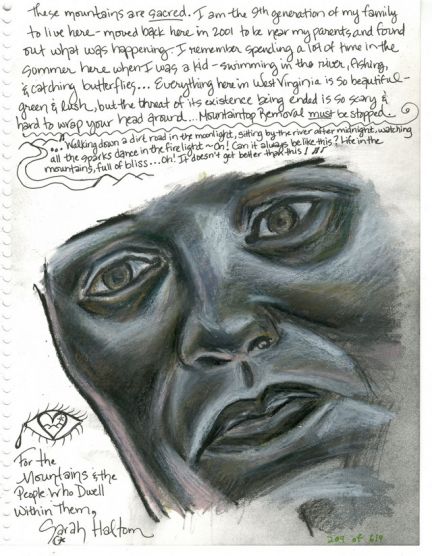
Vernon Haltomcrm-01-current-land-use-on-coal-river-mountain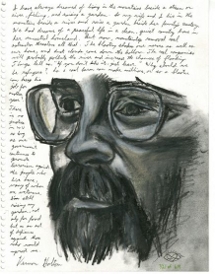
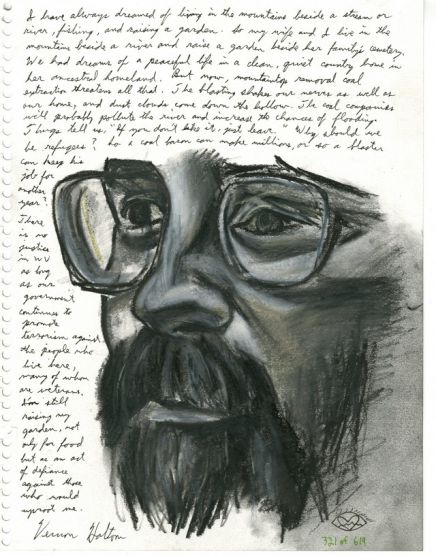
Vernon Haltomhazy-02-marsh-fork-elementary
Debbie Jarrellcoal_river_101-06-changes-in-lifestyle
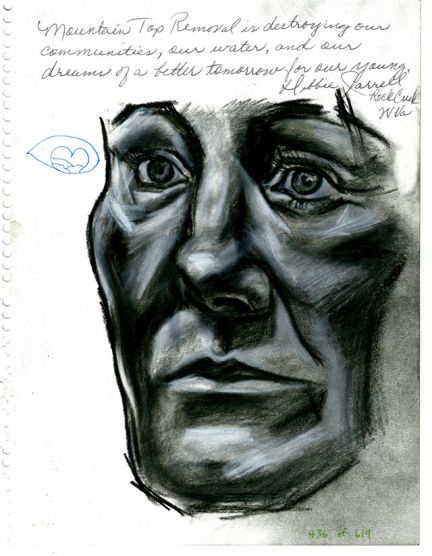
Debbie Jarrellhazy-04-hazy-and-shumates-today
Debbie Jarrellwind-01-introduction-to-coal-river-wind
Debbie Jarrellhazy-02-marsh-fork-elementary
Debbie Jarrellcoal_river_101-05-outmigration
Jen Oshacrm-03-undergound-mining
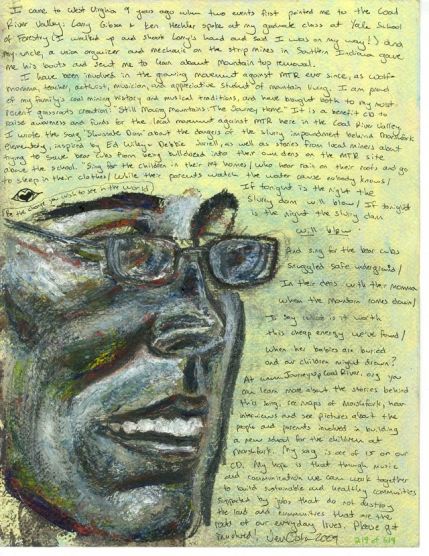
Jen Oshacoal_river_101-06-changes-in-lifestyle
Jen Oshahazy-04-hazy-and-shumates-today
Jen Oshacrm-05-the-brushy-fork-slurry-impoundment
Jen Oshaprenter-07-news
Jen Oshacrm-04-forest-resources-and-timbering
Jen Oshahazy-01-near-the-mouth-of-hazy
Jen Oshahazy-02-marsh-fork-elementary
Ed Wileyhazy-02-marsh-fork-elementary
Ed Wileyhazy-04-hazy-and-shumates-today
Ed Wileycrm-02-community-land-use-in-coal-river-valley
Ed Wileycoal_river_101-06-changes-in-lifestyle