Introduction
“The mountain above me, once a thriving forest, has been blasted into a pile of rock and mud rubble. Two years ago, it was covered with rich black topsoil and abounded with hardwood trees, rhododendrons, ferns and flowers. The understory thrived with herbs such as ginseng, black cohosh, yellow root and many other medicinal plants. Black bears, deer, wild turkey, hawks, owls and thousands of [other] birds lived here. The mountain contained sparkling streams teeming with aquatic life and fish. Now it is all gone. It is all dead. I live at the bottom of a mountaintop removal coal mining operation in the Peachtree community...” - Bo Webb
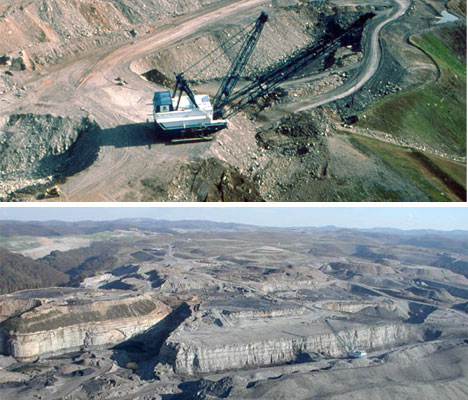
This picture shows Kayoford Mountain, a mountaintop removal site in West Virginia. In the foreground, one can see high walls and a massive dragline. Beyond, stretch 10,000 acres of active and reclaimed mining. Photo courtesy of I Love Mountains website.
In traditional underground coal mining (also called deep-mining), miners descend into the mountain and mine the coal from within, altering the mountain's internal geology, but leaving the surface intact. As its name suggests, mountaintop removal is a method of coal extraction in which the mountain is removed from the coal, rather than the coal from the mountain. It is a highly mechanized form of strip mining, relying on a combination of ammonium nitrate explosives and massive machinery to dismantle the mountain and extract the coal.
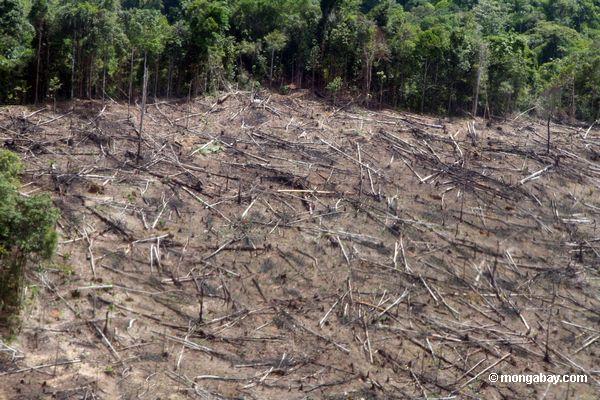
The process begins by clear-cutting the biodiverse hardwood forest that blankets Appalachia, preparing the mountain for blasting. With the forest gone, the topsoil and rock that sit above the mountain's coal seams, termed overburden by the industry, are blasted and scraped away to reveal the coal seams that run in horizontal layers through the mountains. Twenty-story tall dragline excavators and house-sized haul trucks push the trees and mountain's pieces into the valleys and hollows below, burrying the headwaters of major American river systems. These rubble-filled valleys are known as valley fills.
The massive machinery is then used to scrape away the coal and haul it off of the mine site to processing plants, where mountaintop removal coal is combined with deep-mined coal and washed with water and chemicals. The resultant toxic waste is mixed with more water to make slurry, which is then pumped into abandoned mines or man-made lakes held in mountain hollows behind earthen dams. Coal leaves the processing plant in trains, trucks, or barges, bound for coal-fired power plants across the nation. When mining is done, the rough contours left by the blasting and digging are leveled, and the ground is seeded with grasses, plants, and trees hardy enough to survive on the rocky surface left behind.
In addition to the permanent disfigurement of the land, each phase of mountaintop removal creates environmental hazards, all of which are acutely felt in the Coal River Valley and ripple through our broader society.
| 1) CLEARING |
|
 |
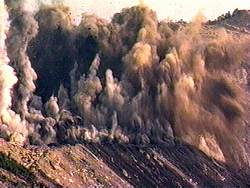
| 2) BLASTING | To dislodge the earth and rock above the coal seams, termed as overburden by the coal industry, ammonium nitrate explosives are detonated in holes drilled into the mountain. In addition to the soil and rocks loosened by blasting, white silica and chemical-laden dust become airborne, settling on the surrounding communities. Prolonged silica inhalation leads to silicosis.
|
 |
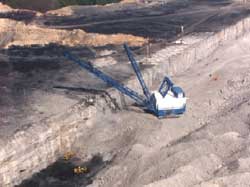
| 3) DIGGING | The rubble left in the wake of the blasts is removed by 20-story tall dragline excavators and house-sized haul trucks, exposing the mountain's coal seams. Blasting and digging can remove as much as 1,400 feet of elevation from a mountain.
|
 |
| 4) VALLEY FILLS |
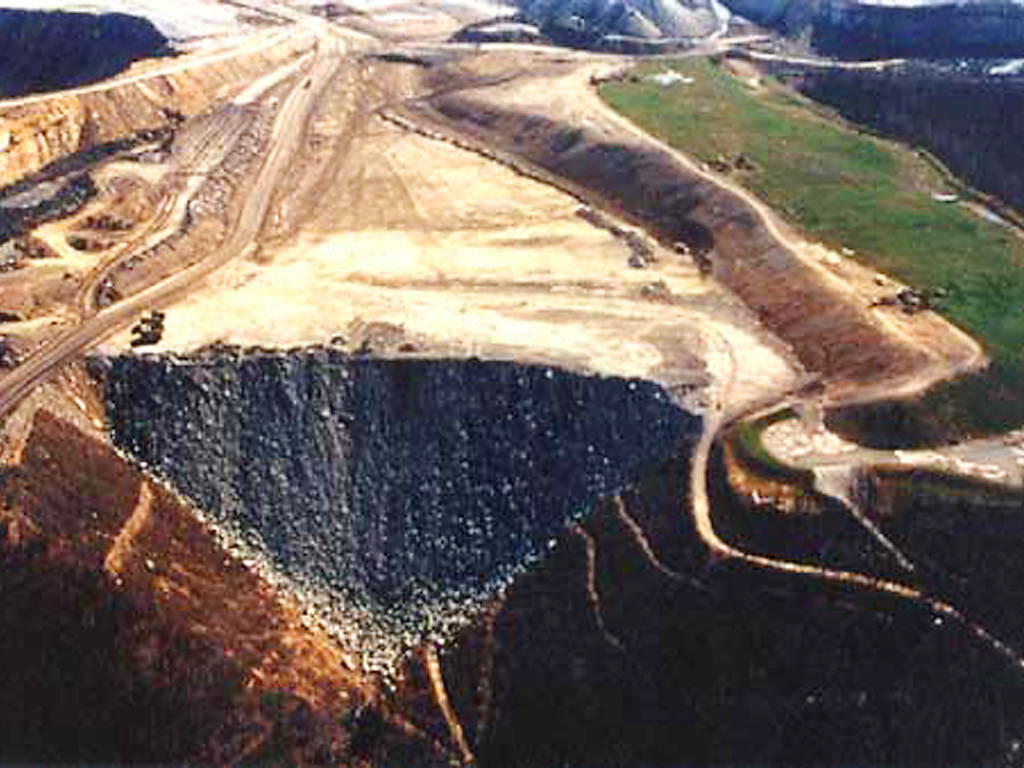
Haul trucks dump the rubble into the valleys below the mountain to create valley fills, which have burried over 1,900 miles of headwater streams. The denuded mountain and rubble-filled valleys increase flooding due to increased runoff during rainfall.
|
 |
| 5) PROCESSING and RECLAMATION |
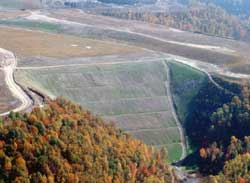
After the coal has been mined, reclamation begins. Barren land is covered with plants and grass hardy enough to survive in the rocky ground left behind. In some cases, hardwood trees can take hold again, but in all instances it will take the long process of succession for native ecosystems to return.
|
 |
[Video no longer available: it has been removed from YouTube.]
"Don't Blow Up the Mountain" by Nell Levin, performed by the Shelby Bottom String Band. Video directed by Ron Ault, with footage from Coldwater Fork and Wolf Creek.
Where is it happening?
The Appalachian mountain range is the oldest range on Earth. It stretches from Newfoundland in the north to Alabama in the south and supports immense biological and cultural diversity throughout its range. In Central Appalachia, underground coal mining has been a way of life for thousands of people and their communities for over one hundred years. As a region, Central Appalachia's coalfields are the second largest U.S. producer of coal after the Powder River Basin in Wyoming and Montana. Increasingly, where there is coal to be found in Appalachia, there is mountaintop removal. More than 470 mountains, across eastern Kentucky and Tennessee, throughout West Virginia and creeping into western Virginia, have been permanently altered by mountaintop removal. Today, in the Coal River Valley, coal extraction through mountaintop removal has become a fact of life. Of all the mountains that form the valley, only one remains intact - Coal River Mountain.
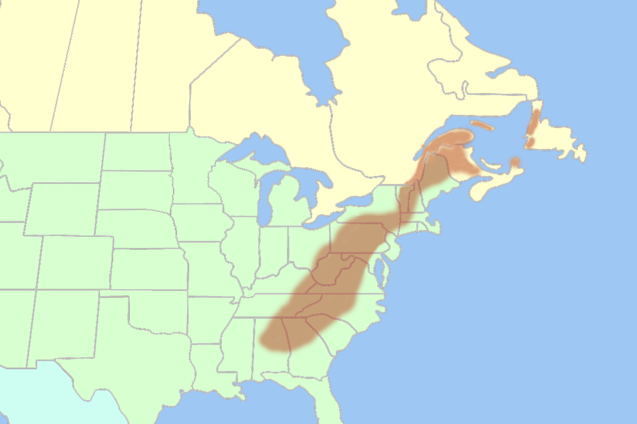
The Appalachian Mountains are indicated in brown in the above image.
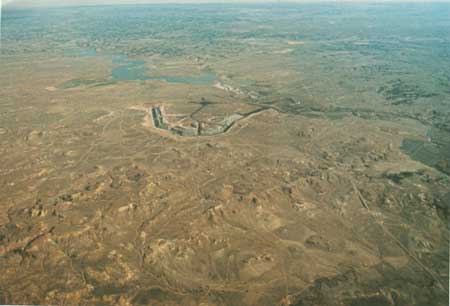
This aerial photograph shows the massive scale of strip mining operations in the Powder River Basin, the nation's leading coal extraction region. Photo courtesy of Stop Mountaintop Removal website.
Explore this section of the website for further exploration of the process, effects, and politics of mountaintop removal.
.jpg)
For more information on sources used in this theme, please see the Notes on Sources page.
Sylvia_Bradford1-max.mp3Sylvia Bradford clip 1hazy-04-hazy-and-shumates-today
Sylvia_Bradford2-max.mp3Sylvia and Rick Bradford on how MTR has affected their liveshazy-04-hazy-and-shumates-today
Sylvia_Bradford3-max.mp3The Bradfords and trainshazy-04-hazy-and-shumates-today
debbie_jarrell-1-max.mp3Debbie Jarrell on disappearing housing stockhazy-04-hazy-and-shumates-today
Charles-EdClip3.mp3Ed Wiley on the Appalachian Mtns. and waterhazy-04-hazy-and-shumates-today
Sylvia_Bradford5-max.mp3The Bradfords on lack of accesshazy-04-hazy-and-shumates-today
debbie_jarrell-1-max.mp3Debbie Jarrell on Marsh Fork Elementarycoal_river_101-06-changes-in-lifestyle
debbie_jarrell-2-max.mp3Debbie Jarrell on lack of access to the mountainscoal_river_101-06-changes-in-lifestyle
MTR2CharlieBEdit1.mp3Charles Ballard on changes since MTRcoal_river_101-06-changes-in-lifestyle
BettyRoss.mp3Betty Ross on Floodingcoal_river_101-06-changes-in-lifestyle
Meadows1.mp3Jimmy Meadows on outmigrationcoal_river_101-05-outmigration
judy_crm_clip1.mp3Judy Bonds on Coal River Mountaincrm-01-current-land-use-on-coal-river-mountain
Charles-EdClip2.mp3Ed Wiley on Health Effects at MFEhazy-02-marsh-fork-elementary
Thompsonclip1.mp3Ernie Thompson on Slurry Impoundmentsmtr-02-environmental-impacts
Thompsonclip2.mp3Ernie Thompson "Money got in the way"mtr-03-legislation-permits-regulations
Maria1.mp3Maria Lambert on Water Qualityprenter-04-health
Rory-GB4.mp3Gary Anderson on Coal River Windwind-01-introduction-to-coal-river-wind
Rory-GB3.mp3Barbara Anderson discusses Mountain Access and Traditional Usewind-01-introduction-to-coal-river-wind
Rory-Chuck1.mp3Chuch Nelson on Threat of Valley Fills on Coal River Mountainwind-02-the-threat-of-mtr-on-coal-river-mountain
Rory-GB2.mp3Gary Anderson describes 2001 Clear Fork Floodswind-02-the-threat-of-mtr-on-coal-river-mountain
Rory-Chuck4.mp3Chuch Nelson "We gotta shut 'em down"wind-02-the-threat-of-mtr-on-coal-river-mountain
Rory-Judy2.mp3Judy Bonds "The Last Vestige of Jobs and Sustainability"wind-03-the-coal-river-mountain-wind-campaign
Rory-GB5.mp3Gary Anderson Imagines a New Wind Industrywind-04-wind-vs-mtr-for-coal-river-mountain-the
Rory-Chuck3.mp3Chuck Nelson "This is Our Last Chance"wind-06-a-just-transition
MTR2VernonHEdit1B.mp3Vernon Haltom on Protecting Places and Resourcescrm-01-current-land-use-on-coal-river-mountain
EdWileyInEdit1.mp3Ed Wiley "A Magical Place"crm-02-community-land-use-in-coal-river-valley
Meadows1.mp3Jimmy Meadows on Loss of Underground Mining Jobscrm-03-undergound-mining
Charles-EdClip1.mp3Ed Wiley on Sludge Impoundmentshazy-02-marsh-fork-elementary
238002.mp3Laffon Pettry, "Molly mooching"crm-02-community-land-use-in-coal-river-valley
080009.mp3Donna Wills, "nothing I can't can"crm-02-community-land-use-in-coal-river-valley
074025.mp3Randy Halstead, Joys of ginsengincrm-02-community-land-use-in-coal-river-valley
077007.mp3Joe Aliff, harvest timecrm-02-community-land-use-in-coal-river-valley
088006.mp3John Bowman, keeping the mash warmcrm-02-community-land-use-in-coal-river-valley
050002.mp3Benny Turner, Native Americans on Bolt Mtn.coal_river_101-01-history-of-coal-river-part-1
077010.mp3Joe Aliff and his Cherokee grandfathercoal_river_101-01-history-of-coal-river-part-1
119011.mp3Howard Miller, corn-woodland-pastureland systemcoal_river_101-01-history-of-coal-river-part-1
215001.mp3Howard Miller, people hiding on mtn. from marauding soldierscoal_river_101-01-history-of-coal-river-part-1
Joe_Aliff_we_had_a_full_fledged_war_077022.mp3Joe Aliff, arming miners for Battle of Blair Mtn.coal_river_101-02-history-of-coal-river-part-2
046012.mp3Mae Bongalis, a visit with Mother Jonescoal_river_101-02-history-of-coal-river-part-2
141006.mp3Cody Dickens, a visit from the land companycoal_river_101-04-absentee-land-ownership
162008.mp3Dr. Jim Michael Wills of Rock Creek on absentee landownershipcoal_river_101-04-absentee-land-ownership
038002.mp3Shorty Bongalis on West Virginians migrating to Ohiocoal_river_101-05-outmigration
088003.mp3John Flynn about moonshinincoal_river_101-05-outmigration
088004.mp3John Bowman, staying in Coal River by moonshinincoal_river_101-05-outmigration
077024.mp3Joe Aliff, how Coal River Mtn. is a drug storecrm-01-current-land-use-on-coal-river-mountain
Thompsonclip1.mp3Ernie Thompson, former mine inspector on slurry impoundmentscrm-05-the-brushy-fork-slurry-impoundment
Jen-JackSpaderoClips.mp3Jack Spadero, engineer on impacts of MTR and slurrycrm-05-the-brushy-fork-slurry-impoundment
Rory-GB4.mp3Gary Anderson, Coal River Mountain Wind campaignwind-06-a-just-transition
Rory-Judy1.mp3Judy Bonds, coal is NOT West Virginiawind-06-a-just-transition
hazy-01-near-the-mouth-of-hazy1hazy3
coal_river_101-01-history-of-coal-river-part-11coal-river-1011
crm-01-current-land-use-on-coal-river-mountain1crm2
prenter-01-prenter-and-surrounding-communities1prenter4
mtr-01-introduction1mtr6
wind-01-introduction-to-coal-river-wind1wind7
cresources-01-community-resource-mapping1cresources5
hazy-02-marsh-fork-elementary2hazy3
coal_river_101-02-history-of-coal-river-part-22coal-river-1011
crm-02-community-land-use-in-coal-river-valley2crm2
prenter-02-water-quality2prenter4
mtr-02-environmental-impacts2mtr6
wind-02-the-threat-of-mtr-on-coal-river-mountain2wind7
cresources-02-children-are-the-future-of-the-coal-rive2cresources5
hazy-03-absentee-land-ownership3hazy3
coal_river_101-03-glimpse-into-a-coal-river-family-mid-20t3coal-river-1011
crm-03-undergound-mining3crm2
prenter-03-coal-slurry3prenter4
mtr-03-legislation-permits-regulations3mtr6
wind-03-the-coal-river-mountain-wind-campaign3wind7
cresources-03-bill-lucas3cresources5
hazy-04-hazy-and-shumates-today4hazy3
coal_river_101-04-absentee-land-ownership4coal-river-1011
crm-04-forest-resources-and-timbering4crm2
prenter-04-health4prenter4
wind-04-wind-vs-mtr-for-coal-river-mountain-the4wind7
cresources-04-chronicling-the-coal-river-valley-s-coal4cresources5
hazy-05-update-lawsuits-possible-new-location-fo5hazy3
coal_river_101-05-outmigration5coal-river-1011
crm-05-the-brushy-fork-slurry-impoundment5crm2
prenter-05-community-responses5prenter4
wind-05-wind-vs-mtr-for-coal-river-mountain-ener5wind7
cresources-05-clear-fork-couple5cresources5
coal_river_101-06-changes-in-lifestyle6coal-river-1011
crm-06-community-letter-to-w-va-gov-joe-manchin6crm2
prenter-06-stories-from-prenter6prenter4
wind-06-a-just-transition6wind7
cresources-06-connie-and-terry-dillon6cresources5
prenter-07-news7prenter4
wind-07-update-blasting-has-begun-on-coal-river7wind7
cresources-07-danny-cook-and-mack-james-creek7cresources5
wind-08-organizing-for-wind-power8wind7
cresources-08-debbie-jarrell8cresources5
cresources-09-delbert-and-judy-gunnoe9cresources5
cresources-10-elmer-mays-horse-creek10cresources5
cresources-11-frankie-mooney11cresources5
cresources-12-gary-and-barb-anderson12cresources5
cresources-13-jimmy-platt13cresources5
cresources-14-junior-walk14cresources5
cresources-15-justin-wills15cresources5
cresources-16-kathleen-dickens16cresources5
cresources-17-kay-and-danny-howell17cresources5
cresources-18-kendra-dickens18cresources5
cresources-19-lonnie-burnside19cresources5
cresources-20-project-build-it-up-wv-summer-youth-prog20cresources5
cresources-21-project-community-greenhouse21cresources5
cresources-22-project-first-solar-thermal-installation22cresources5
cresources-23-project-greenhouse-gardens23cresources5
cresources-24-project-mural-project-in-whitesville24cresources5
cresources-25-project-the-tadpole-project25cresources5
cresources-26-rachel-bey26cresources5
cresources-27-ray-and-lottie-cottrell27cresources5
cresources-28-sandy-simmons28cresources5
cresources-29-shannon-dickens29cresources5
cresources-30-sharon-thompson30cresources5
cresources-31-sheila-and-natasha-walk31cresources5
cresources-32-sherry-geisler32cresources5
cresources-33-wilma-cook33cresources5
Charles Ballardcoal_river_101-06-changes-in-lifestyle
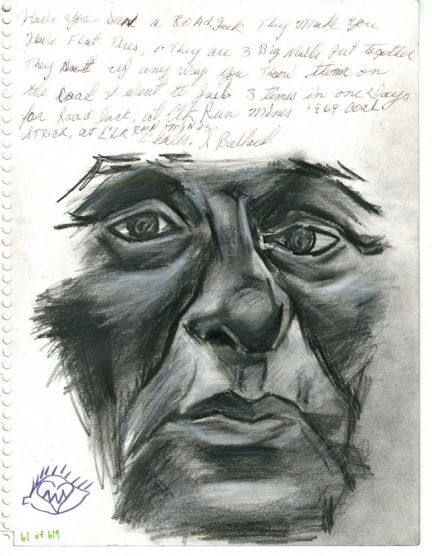
Judy Bondscrm-01-current-land-use-on-coal-river-mountain
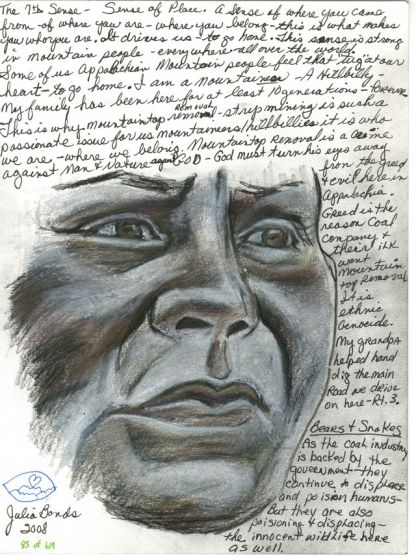
Judy Bonds, 1 of 3coal_river_101-01-history-of-coal-river-part-1
Judy Bonds, 2 of 3coal_river_101-01-history-of-coal-river-part-1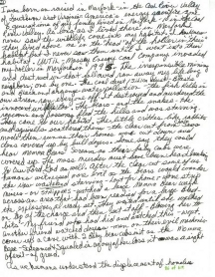
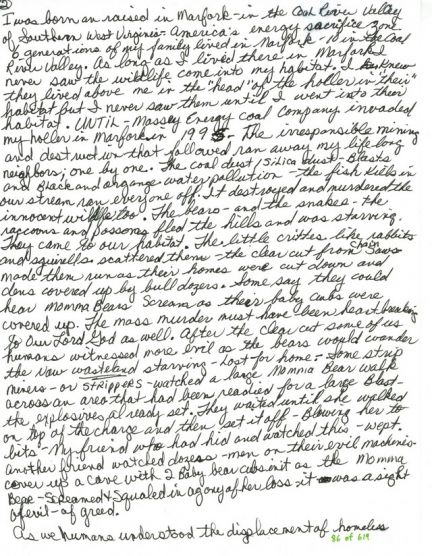
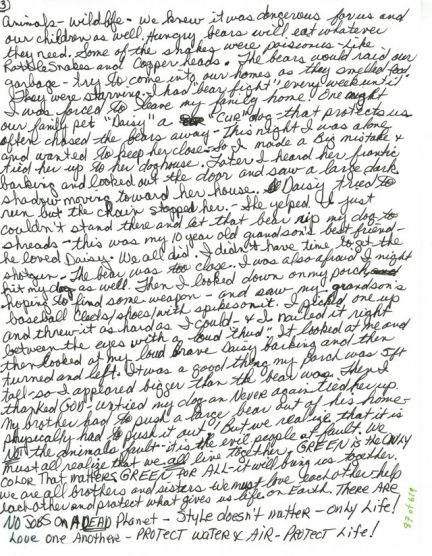
Judy Bonds, 3 of 3coal_river_101-01-history-of-coal-river-part-1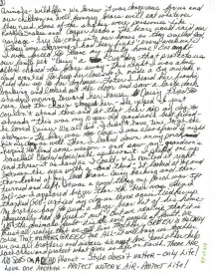
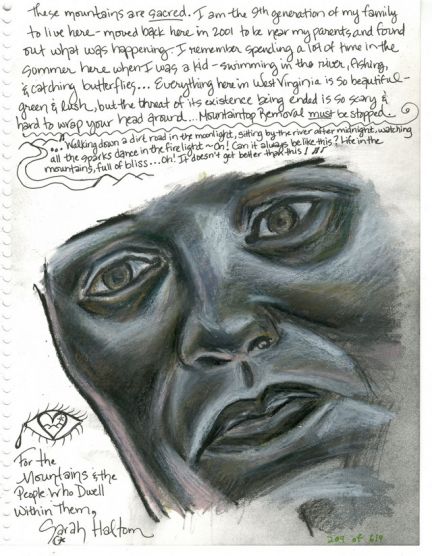
Sarah Haltomcrm-01-current-land-use-on-coal-river-mountain
Vernon Haltomcrm-01-current-land-use-on-coal-river-mountain
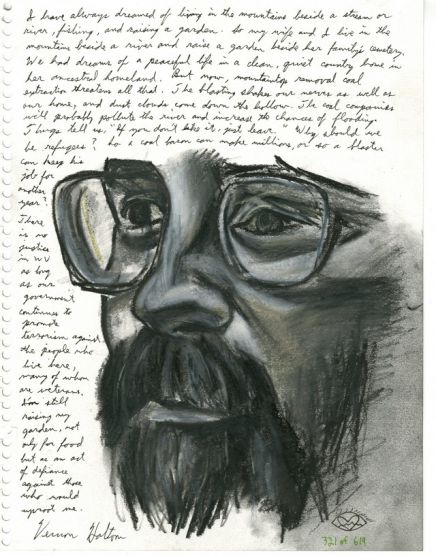
Vernon Haltomhazy-02-marsh-fork-elementary
Debbie Jarrellcoal_river_101-06-changes-in-lifestyle
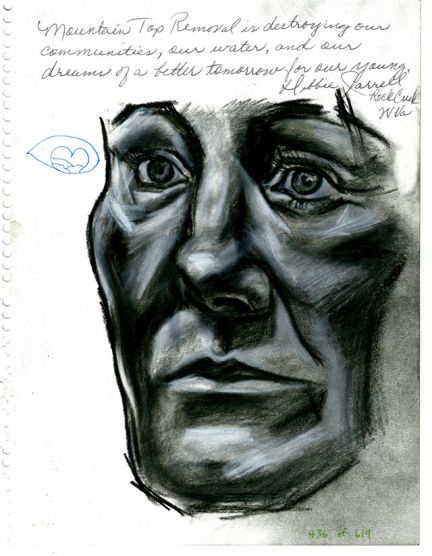
Debbie Jarrellhazy-04-hazy-and-shumates-today
Debbie Jarrellwind-01-introduction-to-coal-river-wind
Debbie Jarrellhazy-02-marsh-fork-elementary
Debbie Jarrellcoal_river_101-05-outmigration
Jen Oshacrm-03-undergound-mining
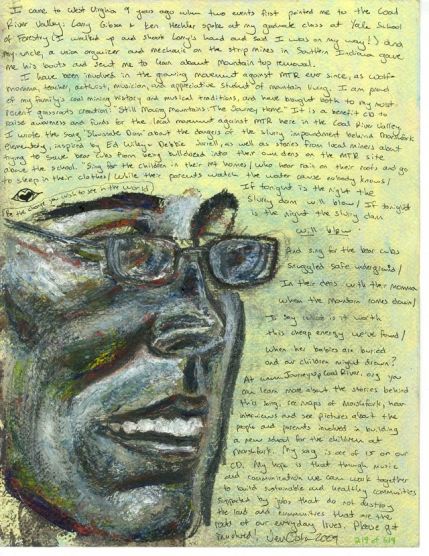
Jen Oshacoal_river_101-06-changes-in-lifestyle
Jen Oshahazy-04-hazy-and-shumates-today
Jen Oshacrm-05-the-brushy-fork-slurry-impoundment
Jen Oshaprenter-07-news
Jen Oshacrm-04-forest-resources-and-timbering
Jen Oshahazy-01-near-the-mouth-of-hazy
Jen Oshahazy-02-marsh-fork-elementary
Ed Wileyhazy-02-marsh-fork-elementary
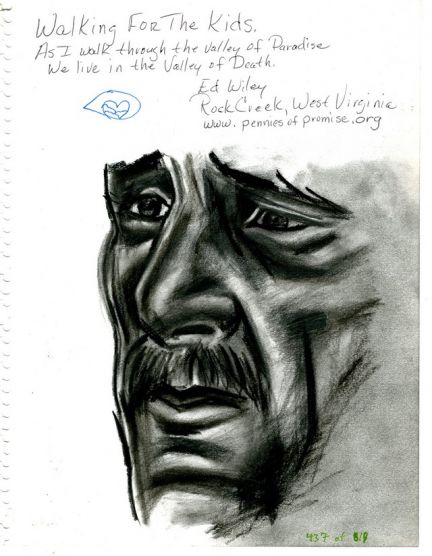
Ed Wileyhazy-04-hazy-and-shumates-today
Ed Wileycrm-02-community-land-use-in-coal-river-valley
Ed Wileycoal_river_101-06-changes-in-lifestyle