History of Coal River Part 1
Early History of Coal River
“Oh well, coal is West Virginia.” Oh really, is it? -Judy Bonds
The history of Coal River is a history of humans and the surrounding mountains, creeks and plant and animal life. The people of Coal River, from Native Americans to early settlers to mining communities lived in close connection with the mountains and the resources they provided. Yet, while Native American hunting parties, fur trappers and settlers were drawn to the region for the resources provided by their natural environment, the mountains also contained resources that drove the industrial development of America: salt, timber and coal. The history of Coal River was driven by the tension between those sought to exploit the land and people and the residents who struggled to protect their way of life, the rights of miners and now the very mountains themselves.
“My grandmother and all her brothers, they lived in Indian Creek. . . . She’d take me up in those mountains and brush the leaves off the cliffs and show me where they made their bread – this hole would be this big, and come down like this [indicates a conical shape]. They’d put their corn in there and take a hickory maul and pound it up to make corn bread. . . . Then they’d build a fire on these big flat rocks till they got real hot and then they’d brush it off and pour their stuff on there and bake it. . . . Then she’d show me trees where they’d hang their beef up to dry. They had grown up into trees, but she said when they used them they were just young branches, had limbs out where they could hang them in the crook and smoke them.”
-- Mae Bongalis, Naoma, Interview with Mary Hufford December 15, 1994
While Coal River Valley saw little permanent Native American settlement in its pre-contact history, it was used as summer hunting and foraging grounds by groups who, though antagonistic toward each other outside of the region, suspended hostilities when hunting within it. Lewis Summers refers to the region encompassing Coal River as a "vast park," the sharing of which was ordained by the Great Spirit to ensure peaceful co-existence.1
Detail from Lewis Evans map of 1755. The Ouasioto Mountains form"A vein of Mountains about 30 or 40 miles, right through which there is not yet any occupied path in these parts." Note that the Coal River is called the Louisa River. Source: Library of Congress.
The region was heavily travelled, and contains many trails that connect the Kanawha River Valley to the low-lands of Virginia and Ohio, and the mountains of Tennessee. These trails were most often used by groups of hunters, but war parties also used the routes as pathways to raid the early settlements of Colonial Virginia.2
Detail from William Edward Myer's map of Indian Trails in the Southeast, with blue highlighting added to trails through southern West Virginia. Key to numbered trails: 31) Great Indian War Path (Ohio Branch); 36) Great Indian War Path (Chesapeake Branch); 48) Pamunkeyand New River road; 52) New River and Southern Trail; 54) Big Sandy Trail; 55) Guyandot Trail; 56) Coal River Trail; 57) Paint Creek Trail; 58) New River and Cumberland Gap Trail; and 59) North Fork of Tug River. (Source: Myer 1925)

Listen to Benny Turner, of Drew's Creek, telling about Native American trails, springs, and camping rocks on Bolt Mountain. Tending the Commons audio courtesy American Folklife Center, Library of Congress.
Several Native American peoples hunted in southern West Virginia until the Seneca, a member of the Iroquois Confederacy, took control of the region in order to dominate the fur trade.
The Seneca and a conglomeration of different Native American peoples, called the Mingo, hunted in present day West Virginia until the colonial Virginian government purchased the region from the Iroquois Confederacy in 1744. The Mingo, whose settlements straddled the Ohio River, continued to hunt in southern West Virginia until their French allies were defeated in the French and Indian War in 1763, after which they withdrew to their settlements.3
The Seneca and a conglomeration of different Native American peoples, called the Mingo, hunted in present day West Virginia until the colonial Virginian government purchased the region from the Iroquois Confederacy in 1744. The Mingo, whose settlements straddled the Ohio River, continued to hunt in southern West Virginia until their French allies were defeated in the French and Indian War in 1763, after which they withdrew to their settlements.3
One of these trails led from the Kanawha Valley, down Coal River and up the Marsh Fork until it turned south and crossed Cherry Pond Mountain at Indian Gap (trail number 56 above).4 Indeed, several areas of the Coal River region are named after the early Native American trails and markers that colonial explorers and trappers used to guide themselves through the valley. Paint Creek is named after the painted trees that marked what most historians believe either marked a trail or a favorite camping site for Native American hunting parties.5
The official word on Native American presence has been until recent decades that the 18th century treaties and the final Battle of Point Pleasant drove the Native Americans out of West Virginia. Because it was illegal for Native Americans to own property, Native American identity was kept secret within some families for generations. There are in fact many who claim Native American ancestry in southern West Virginia, and some of whom identify their ancestors as Cherokee who sought refuge in West Virginia around the time of the Trail of Tears.6
Listen to Joe Aliff telling about his Cherokee Grandfather who moved to Coal River from North Carolina.
Hufford notes that the mixed mesophytic commons and the practice of the seasonal round has fostered strong local and regional affiliations to which ethnic affiliations quickly become secondary. An obviously deep cultural continuity with Native American practices is not marked as Native American, but as mountain practices that began time out of mind.
Tending the Commons photos by Terry Eiler and Lyntha Scott Eiler, courtesy of the American Folklife Center, Library of Congress.
Signs of such cultural continuity are subtle and widespread: the use of the word "puccoon" for bloodroot (from the Powahatan word "poughkone"), gathered and sold commercially; the practice of replanting ginseng stalks with a bit of the root attached, and of planting the rootlets discarded after cleaning ramps to create ramp patches close to home; the pairing of nitrogen-fixing "striped cornfield beans" with nitrogen depleting corn in the garden; the presence of "mountain feists," squirrel hunting dogs developed by the Mississippians; the encouragement of semi-wild plants such as creasies and dandelions for home consumption; the concrete blocks used as nutting stones during black walnut season; the unbroken tradition of camping under rock shelters, and on beaches of rivers, and baptisms in living water, consonant with the Cherokee practice of "going to water" for spiritual and mental rejuvenation and much more.7
“The first white man that ever come in on this creek, he found a peach tree growing down the creek about a mile below here, and he called it Peach Tree Creek.”-- Dennis Dickens, Peach Tree Creek, Interview with Mary Hufford, December 13, 1994
As settlers from the Eastern Colonies began to expand into the western frontier in the late 18th and early 19th centuries, they bypassed modern day southern West Virginia because of its rugged and inaccessible terrain. British colonial governments who feared French expansion into the wider Ohio River region commissioned the first explorations into West Virginia. In 1742, the colonial government of Virginia commissioned John Peter Salley, a German immigrant to Orange County, to explore the unsettled regions between the Mississippi River and the counties on the edge of the Appalachians.
Salley and his party traveled down the New River until they reached what is now South-Central West Virginia. Departing from the river, they marched south overland until they reached the Coal River. Salley described the region as,
…Mountainous, but farther down the plainer [sic], in these mountains we found plenty of coals, for which we named it Coal River, where this river and the Woods (New) River meets the North Mountains end, and the country appears very plain and is well watered.8
This is the first recorded European exploration of the region as well as the first mention of the name Coal River. Because of the distance (some eighty five miles), that Salley and his party marched overland to the Coal River, it is most likely they entered the valley in the Clear or Marsh Fork regions. They constructed boats of buffalo hides and sailed down the river reaching the Kanawha River.
Further concerns over French intentions to settle the disputed frontier pushed the British to commission the Loyal Company to sponsor an expedition to claim the area. Dr. Thomas Walker of Albemarle County was chosen to lead to expedition, which set out in 1750. While on his way to the Ohio River Valley, Walker and his party traveled down the Marsh Fork, reaching the Coal River at the mouth of Hazy Creek at present day Edwight.9
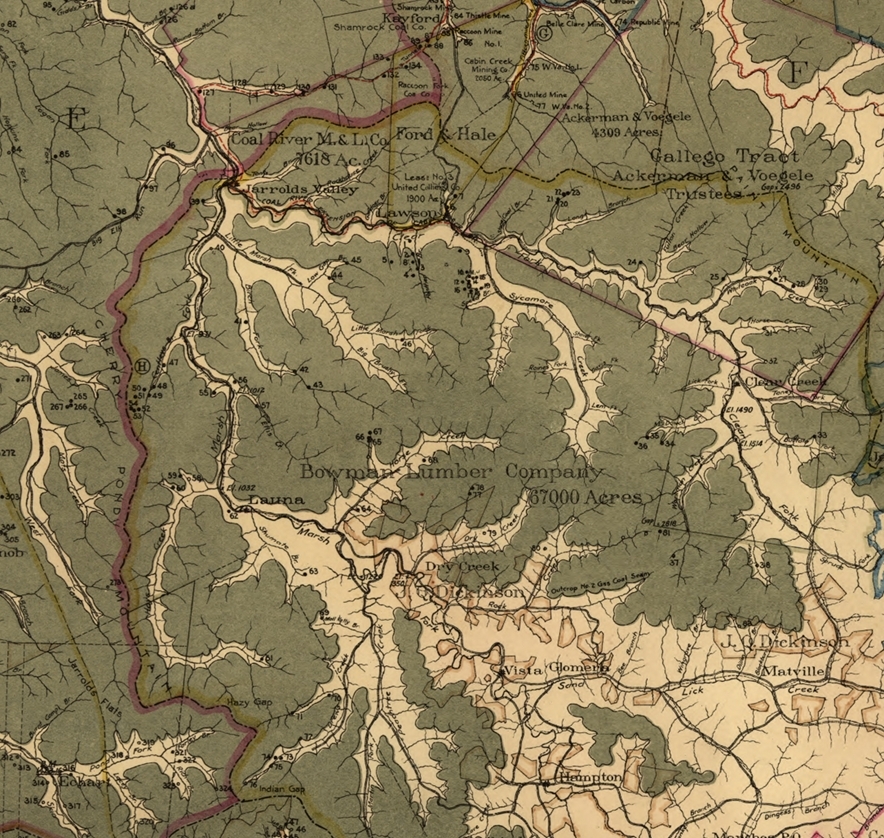
General and Regional Map of that Portion of the New River and Kanawha Coal Fields. Chesapeake and Ohio Railroad Company, c1905. Library of Congress, Geography and Map Division. Image courtesy of Tending the Commons.
In her work Absentee Landowning & Exploration in West Virginia, 1760-1920, Barbara Rasmussen argues that this early history of landownership greatly affected the political and economic future of southern Appalachia. Rasmussen states, "From the earliest colonial days, Virginia's political system was carefully structured to protect the interests of those who owned vast lands, not the independent mountain farmers who generally claimed fewer than five-hundred acres a piece." 11
“Over at Bowmans, there’s an old piece of the old road on the river, that you can see the old wagon marks in the rocks where the horses pulled the wagons over the rocks and when the wagons went down, they’d hold the brake and let it slide there to keep from running over the horses--old wagon cuts in the soft sand rock.”-- Rocky Turner,interview with Mary Hufford, Naoma, 1996
Salt mining and the construction of processing furnaces in the Kanawha Valley at the end of the 18th Century drove the construction of wagon roads through southern West Virginia, opening inaccessible areas to settlement. In 1784, the James River Company was created by the Colonial government of Virginia to construct a road from the James River to the Kanawha River Valley. However, Monroe and Gilles counties, on the foothills of the Alleghany Mountains, wanted roads of their own to gain a shortcut to the salt production, thus opening the headwaters of the Coal River.12
The first permanent settlers of the valley quickly followed the construction of roads into present-day Raleigh County. Over the next several years homesteads were founded on the Coal River, some of the first being Daniel Shumate on Shumate’s Creek, James Ellison on Hazy Creek and Jacob Stover on the Clear Fork. In 1836, the Coal Marsh Baptist Church was founded, the first church on Coal River.13 Throughout the early history of Coal River, the settler economy was primarily a combination of forest gathering, husbandry and small-scale agriculture. The collection of ramps, ginseng and other resources from the forest supplemented the small plots, or “benches,” of corn and squash grown in areas of forest cleared by settlers. The cleared patches of forest, called “newground,” were often burned and then sowed for several years before the forest was allowed to retake the land. Livestock was allowed to graze in the mountains openly (a practice which continued in the region until the 1950’s).
 |
| Cantilevered scale for weighing cattle, Perry Jarrell farm, Dry Creek. Photo by Mary Hufford. |
Click icon to hear Howard Miller, Drew's Creek, describe the corn-woodland-pastureland system of agriculture that the Coal River Valley supported well into the 20th century. Tending the Commons Audio courtesy American Folklife Center, Library of Congress.
While agriculture was the dominant livelihood of early Coal River settlements, this does not mean that the settlers were isolated subsistence farmers. Rasmussen argues that farmers were slowly transitioning from the subsistence phase that defined early settlement patterns, to that of an agricultural market connected to national markets. While family homesteads remained primarily in the hollows, important family gatherings and cemeteries were located on the mountain slopes. Many of these cemeteries continued to be used until the onset of strip mining closed the mountain commons in the late 20th Century.
The Civil War and Coal River
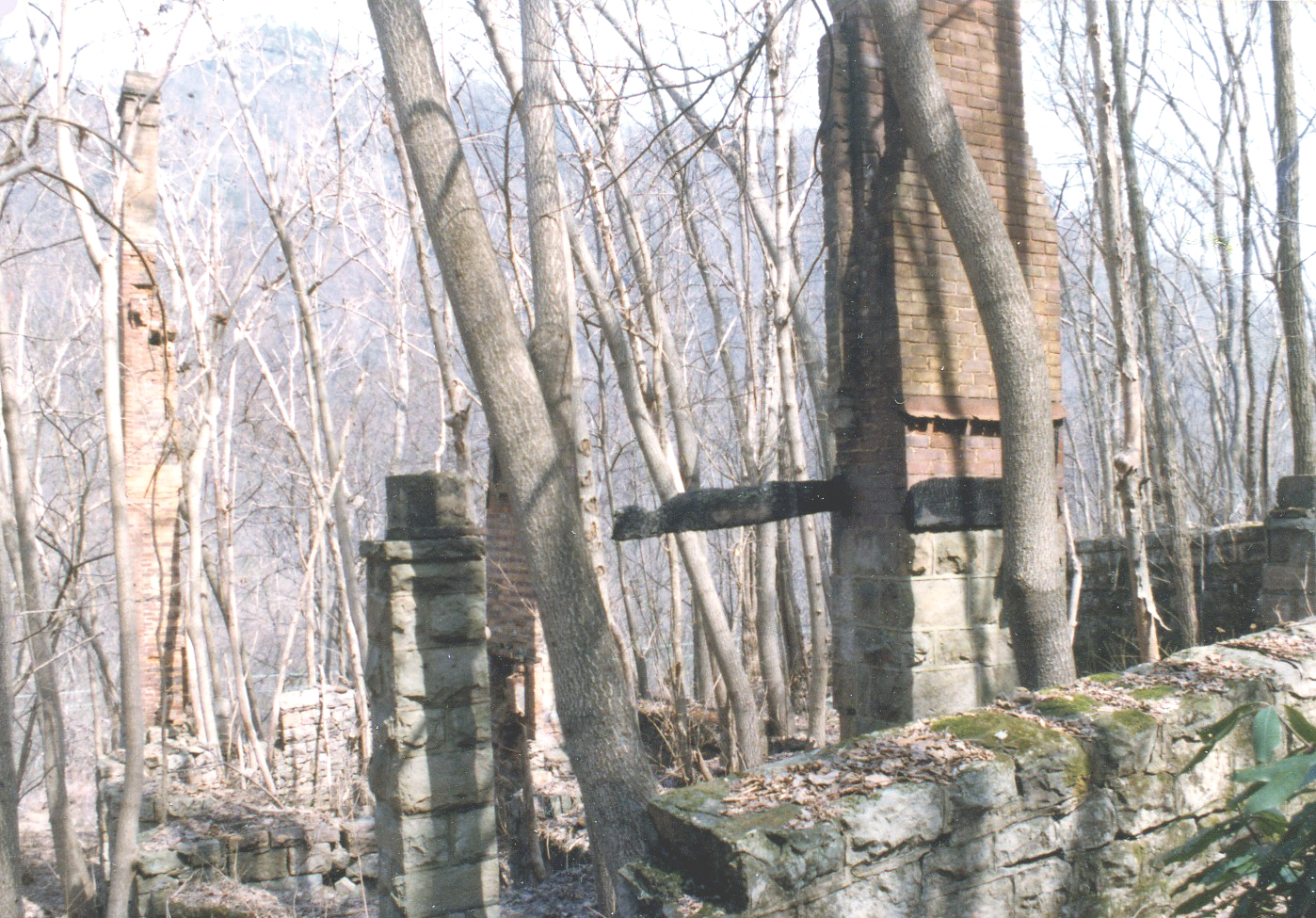
The remnants of an early homestead on Bailey Mountain. Photo by Rick Bradford.
Like much of the Appalachian region, the Coal River Valley was torn by internal strife between unionist and secessionist sympathizers. Although Raleigh County as a whole voted for secession, the Marsh and Clear Fork districts of the Coal River were strong Union sympathizers.14 Many neighbors and families were split, some sending soldiers to both the Union and Confederate armies. The area was occupied by both armies on several occasions beginning in late 1862. The war came to southern West Virginia over the control of the valuable salt deposits (salt was necessary for preserving food for armies in the field).15 After the first occupation by Union forces, the government of Raleigh County ceased to function for the remainder of the war. The absence of an effective government, the political divisions and the movements of Union and Confederate armies through 1862 sparked a large level of violence between erstwhile neighbors in the Coal and New River Valleys.16 After 1863, Union forces remained in the region fighting Confederate sympathizers known as “Bushwhackers” until the conclusion of the war.17 Following the war and the incorporation of the region into the new state of West Virginia, many Union sympathizers gained social and political advantages over following decades. The violence of this period, caused by a war that tore the nation apart, would become the foundation for a myth perpetrated by the media and timber and coal companies of the violent Appalachian family culture. Following the war, the expansion of railroads into the region would usher in a new age for Coal River: the age of coal and timber.
To listen to Howard Miller explaining how people withdrew from the valleys to live on the mountaintops to avoid marauding soldiers during the Civil War, click the icon. Tending the Commons audio of interview with Mary Hufford, courtesy American Folklife Center, Library of Congress. 1. Summers, Lewis Preston. 1903. History of Southwest Virginia. Richmond: J.L. Hill.
2 Wood, Jim. Raleigh County, West Virginia. Raleigh County Historical Society. BJW Printing and Office Supplies: Beckley, WV. 1994. 19-21. See also John Williams, West Virginia: A History. 1976. New York: W. W. Norton; Otis K. Rice. 1970. The Allegheny Frontier: West Virginia Beginnings. Lexington, KY: University Press of Kentucky.
3 Dilger, Robert J. and Joseph M. White, “Boone County History.” West Virginia Department of Political Science. http://www.polsci.wvu.edu/wv/Boone/boohistory.html. August 1, 2000. Accessed March 3, 2009.
4. Myer, William Edward. 1928. Indian trails of the Southeast. Washington, D.C.: U.S. Bureau of american Ethnology.
5. Wood, Jim. Raleigh County, West Virginia. 17.
6. Hufford, Mary. 2008. Ethnographic Overview and Assessment: New River Gorge National River and Gauley River National Recreation Area. Boston: National Park Service, pp. 83-98.
7. Hufford, ibid. pp. 11-22.
10. Ibid. 27-33.
11. Rasmussen, Barbara. 1994. Absentee Landowing and Exploitation in West Virginia, 1760-1920. Lexington: University Press of Kentucky. See also Paul Salstrom's Appalachia's Path to Dependency:.
13. Hufford, Mary. “Landscape and History at the Headwaters of the Big Coal River Valley: An Overview.” The Library of Congress: American Memory Tending the Commons: Folklife and Landscape in Southern West Virginia. From the Library of Congress, http://memory.loc.gov/ammem/collections/tending/. 8-12. See also Donald Davis, Where There are Mountains: An Environmental History of the Appalachians. Athens:University of Georgia Press.
17. Ibid 176.
For more information on sources used, please see the Notes on Sources section.
Sylvia_Bradford1-max.mp3Sylvia Bradford clip 1hazy-04-hazy-and-shumates-today
Sylvia_Bradford2-max.mp3Sylvia and Rick Bradford on how MTR has affected their liveshazy-04-hazy-and-shumates-today
Sylvia_Bradford3-max.mp3The Bradfords and trainshazy-04-hazy-and-shumates-today
debbie_jarrell-1-max.mp3Debbie Jarrell on disappearing housing stockhazy-04-hazy-and-shumates-today
Charles-EdClip3.mp3Ed Wiley on the Appalachian Mtns. and waterhazy-04-hazy-and-shumates-today
Sylvia_Bradford5-max.mp3The Bradfords on lack of accesshazy-04-hazy-and-shumates-today
debbie_jarrell-1-max.mp3Debbie Jarrell on Marsh Fork Elementarycoal_river_101-06-changes-in-lifestyle
debbie_jarrell-2-max.mp3Debbie Jarrell on lack of access to the mountainscoal_river_101-06-changes-in-lifestyle
MTR2CharlieBEdit1.mp3Charles Ballard on changes since MTRcoal_river_101-06-changes-in-lifestyle
BettyRoss.mp3Betty Ross on Floodingcoal_river_101-06-changes-in-lifestyle
Meadows1.mp3Jimmy Meadows on outmigrationcoal_river_101-05-outmigration
judy_crm_clip1.mp3Judy Bonds on Coal River Mountaincrm-01-current-land-use-on-coal-river-mountain
Charles-EdClip2.mp3Ed Wiley on Health Effects at MFEhazy-02-marsh-fork-elementary
Thompsonclip1.mp3Ernie Thompson on Slurry Impoundmentsmtr-02-environmental-impacts
Thompsonclip2.mp3Ernie Thompson "Money got in the way"mtr-03-legislation-permits-regulations
Maria1.mp3Maria Lambert on Water Qualityprenter-04-health
Rory-GB4.mp3Gary Anderson on Coal River Windwind-01-introduction-to-coal-river-wind
Rory-GB3.mp3Barbara Anderson discusses Mountain Access and Traditional Usewind-01-introduction-to-coal-river-wind
Rory-Chuck1.mp3Chuch Nelson on Threat of Valley Fills on Coal River Mountainwind-02-the-threat-of-mtr-on-coal-river-mountain
Rory-GB2.mp3Gary Anderson describes 2001 Clear Fork Floodswind-02-the-threat-of-mtr-on-coal-river-mountain
Rory-Chuck4.mp3Chuch Nelson "We gotta shut 'em down"wind-02-the-threat-of-mtr-on-coal-river-mountain
Rory-Judy2.mp3Judy Bonds "The Last Vestige of Jobs and Sustainability"wind-03-the-coal-river-mountain-wind-campaign
Rory-GB5.mp3Gary Anderson Imagines a New Wind Industrywind-04-wind-vs-mtr-for-coal-river-mountain-the
Rory-Chuck3.mp3Chuck Nelson "This is Our Last Chance"wind-06-a-just-transition
MTR2VernonHEdit1B.mp3Vernon Haltom on Protecting Places and Resourcescrm-01-current-land-use-on-coal-river-mountain
EdWileyInEdit1.mp3Ed Wiley "A Magical Place"crm-02-community-land-use-in-coal-river-valley
Meadows1.mp3Jimmy Meadows on Loss of Underground Mining Jobscrm-03-undergound-mining
Charles-EdClip1.mp3Ed Wiley on Sludge Impoundmentshazy-02-marsh-fork-elementary
238002.mp3Laffon Pettry, "Molly mooching"crm-02-community-land-use-in-coal-river-valley
080009.mp3Donna Wills, "nothing I can't can"crm-02-community-land-use-in-coal-river-valley
074025.mp3Randy Halstead, Joys of ginsengincrm-02-community-land-use-in-coal-river-valley
077007.mp3Joe Aliff, harvest timecrm-02-community-land-use-in-coal-river-valley
088006.mp3John Bowman, keeping the mash warmcrm-02-community-land-use-in-coal-river-valley
050002.mp3Benny Turner, Native Americans on Bolt Mtn.coal_river_101-01-history-of-coal-river-part-1
077010.mp3Joe Aliff and his Cherokee grandfathercoal_river_101-01-history-of-coal-river-part-1
119011.mp3Howard Miller, corn-woodland-pastureland systemcoal_river_101-01-history-of-coal-river-part-1
215001.mp3Howard Miller, people hiding on mtn. from marauding soldierscoal_river_101-01-history-of-coal-river-part-1
Joe_Aliff_we_had_a_full_fledged_war_077022.mp3Joe Aliff, arming miners for Battle of Blair Mtn.coal_river_101-02-history-of-coal-river-part-2
046012.mp3Mae Bongalis, a visit with Mother Jonescoal_river_101-02-history-of-coal-river-part-2
141006.mp3Cody Dickens, a visit from the land companycoal_river_101-04-absentee-land-ownership
162008.mp3Dr. Jim Michael Wills of Rock Creek on absentee landownershipcoal_river_101-04-absentee-land-ownership
038002.mp3Shorty Bongalis on West Virginians migrating to Ohiocoal_river_101-05-outmigration
088003.mp3John Flynn about moonshinincoal_river_101-05-outmigration
088004.mp3John Bowman, staying in Coal River by moonshinincoal_river_101-05-outmigration
077024.mp3Joe Aliff, how Coal River Mtn. is a drug storecrm-01-current-land-use-on-coal-river-mountain
Thompsonclip1.mp3Ernie Thompson, former mine inspector on slurry impoundmentscrm-05-the-brushy-fork-slurry-impoundment
Jen-JackSpaderoClips.mp3Jack Spadero, engineer on impacts of MTR and slurrycrm-05-the-brushy-fork-slurry-impoundment
Rory-GB4.mp3Gary Anderson, Coal River Mountain Wind campaignwind-06-a-just-transition
Rory-Judy1.mp3Judy Bonds, coal is NOT West Virginiawind-06-a-just-transition
hazy-01-near-the-mouth-of-hazy1hazy3
coal_river_101-01-history-of-coal-river-part-11coal-river-1011
crm-01-current-land-use-on-coal-river-mountain1crm2
prenter-01-prenter-and-surrounding-communities1prenter4
mtr-01-introduction1mtr6
wind-01-introduction-to-coal-river-wind1wind7
cresources-01-community-resource-mapping1cresources5
hazy-02-marsh-fork-elementary2hazy3
coal_river_101-02-history-of-coal-river-part-22coal-river-1011
crm-02-community-land-use-in-coal-river-valley2crm2
prenter-02-water-quality2prenter4
mtr-02-environmental-impacts2mtr6
wind-02-the-threat-of-mtr-on-coal-river-mountain2wind7
cresources-02-children-are-the-future-of-the-coal-rive2cresources5
hazy-03-absentee-land-ownership3hazy3
coal_river_101-03-glimpse-into-a-coal-river-family-mid-20t3coal-river-1011
crm-03-undergound-mining3crm2
prenter-03-coal-slurry3prenter4
mtr-03-legislation-permits-regulations3mtr6
wind-03-the-coal-river-mountain-wind-campaign3wind7
cresources-03-bill-lucas3cresources5
hazy-04-hazy-and-shumates-today4hazy3
coal_river_101-04-absentee-land-ownership4coal-river-1011
crm-04-forest-resources-and-timbering4crm2
prenter-04-health4prenter4
wind-04-wind-vs-mtr-for-coal-river-mountain-the4wind7
cresources-04-chronicling-the-coal-river-valley-s-coal4cresources5
hazy-05-update-lawsuits-possible-new-location-fo5hazy3
coal_river_101-05-outmigration5coal-river-1011
crm-05-the-brushy-fork-slurry-impoundment5crm2
prenter-05-community-responses5prenter4
wind-05-wind-vs-mtr-for-coal-river-mountain-ener5wind7
cresources-05-clear-fork-couple5cresources5
coal_river_101-06-changes-in-lifestyle6coal-river-1011
crm-06-community-letter-to-w-va-gov-joe-manchin6crm2
prenter-06-stories-from-prenter6prenter4
wind-06-a-just-transition6wind7
cresources-06-connie-and-terry-dillon6cresources5
prenter-07-news7prenter4
wind-07-update-blasting-has-begun-on-coal-river7wind7
cresources-07-danny-cook-and-mack-james-creek7cresources5
wind-08-organizing-for-wind-power8wind7
cresources-08-debbie-jarrell8cresources5
cresources-09-delbert-and-judy-gunnoe9cresources5
cresources-10-elmer-mays-horse-creek10cresources5
cresources-11-frankie-mooney11cresources5
cresources-12-gary-and-barb-anderson12cresources5
cresources-13-jimmy-platt13cresources5
cresources-14-junior-walk14cresources5
cresources-15-justin-wills15cresources5
cresources-16-kathleen-dickens16cresources5
cresources-17-kay-and-danny-howell17cresources5
cresources-18-kendra-dickens18cresources5
cresources-19-lonnie-burnside19cresources5
cresources-20-project-build-it-up-wv-summer-youth-prog20cresources5
cresources-21-project-community-greenhouse21cresources5
cresources-22-project-first-solar-thermal-installation22cresources5
cresources-23-project-greenhouse-gardens23cresources5
cresources-24-project-mural-project-in-whitesville24cresources5
cresources-25-project-the-tadpole-project25cresources5
cresources-26-rachel-bey26cresources5
cresources-27-ray-and-lottie-cottrell27cresources5
cresources-28-sandy-simmons28cresources5
cresources-29-shannon-dickens29cresources5
cresources-30-sharon-thompson30cresources5
cresources-31-sheila-and-natasha-walk31cresources5
cresources-32-sherry-geisler32cresources5
cresources-33-wilma-cook33cresources5
Charles Ballardcoal_river_101-06-changes-in-lifestyle
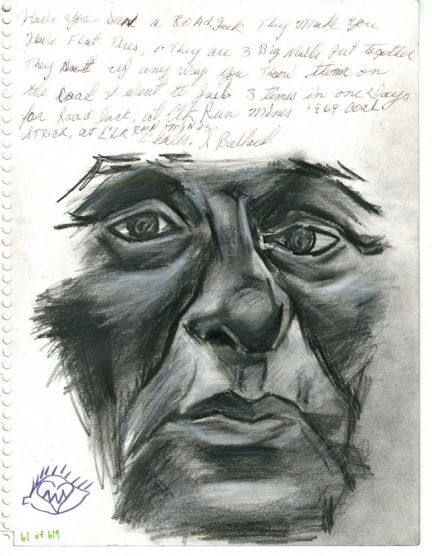
Judy Bondscrm-01-current-land-use-on-coal-river-mountain
Judy Bonds, 1 of 3coal_river_101-01-history-of-coal-river-part-1
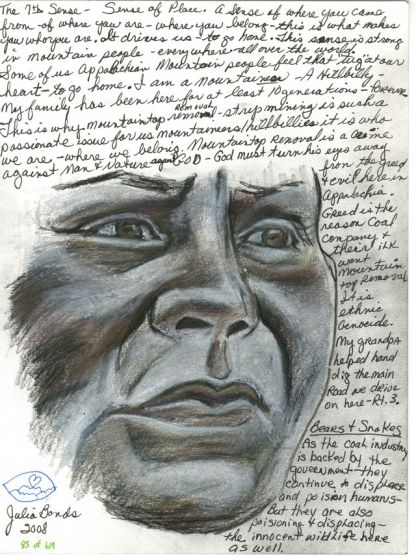
Judy Bonds, 2 of 3coal_river_101-01-history-of-coal-river-part-1
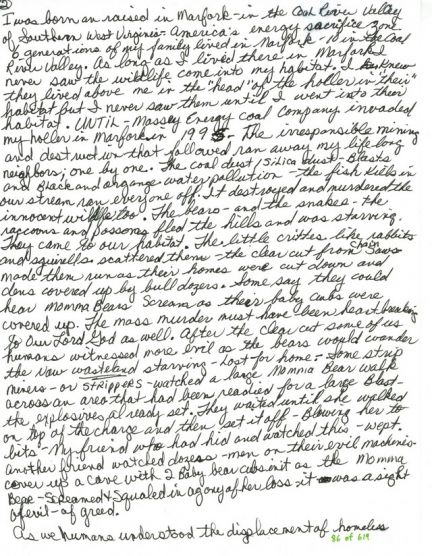
Judy Bonds, 3 of 3coal_river_101-01-history-of-coal-river-part-1
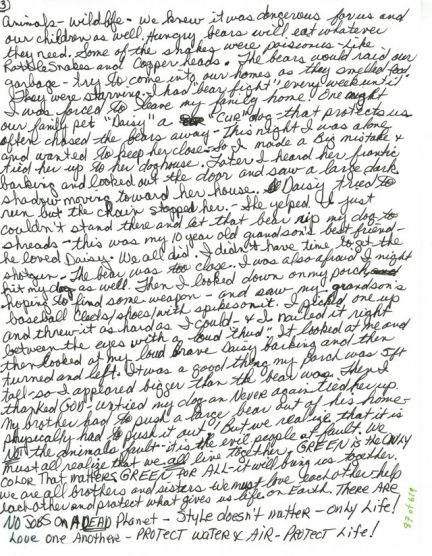
Sarah Haltomcrm-01-current-land-use-on-coal-river-mountain
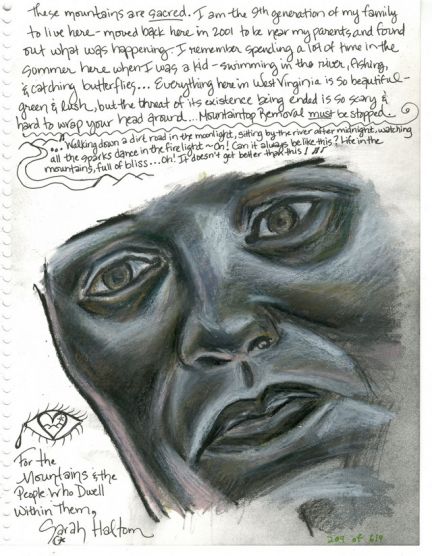
Vernon Haltomcrm-01-current-land-use-on-coal-river-mountain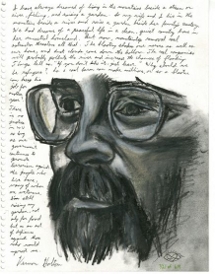
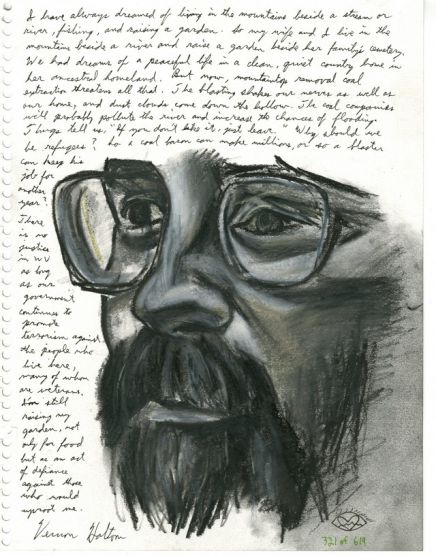
Vernon Haltomhazy-02-marsh-fork-elementary
Debbie Jarrellcoal_river_101-06-changes-in-lifestyle
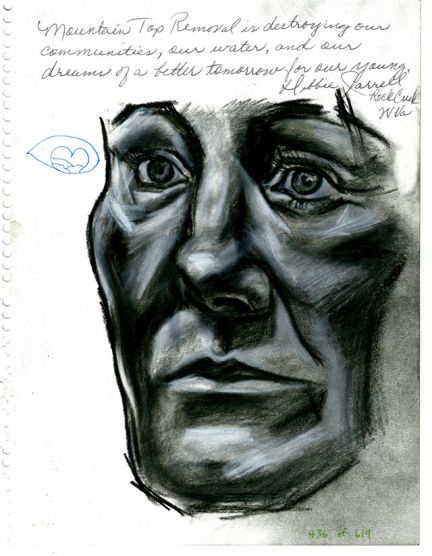
Debbie Jarrellhazy-04-hazy-and-shumates-today
Debbie Jarrellwind-01-introduction-to-coal-river-wind
Debbie Jarrellhazy-02-marsh-fork-elementary
Debbie Jarrellcoal_river_101-05-outmigration
Jen Oshacrm-03-undergound-mining
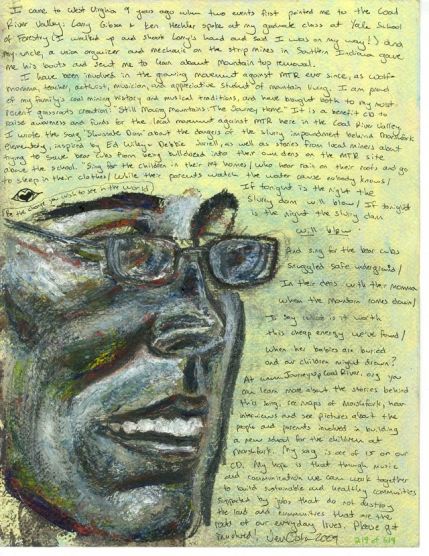
Jen Oshacoal_river_101-06-changes-in-lifestyle
Jen Oshahazy-04-hazy-and-shumates-today
Jen Oshacrm-05-the-brushy-fork-slurry-impoundment
Jen Oshaprenter-07-news
Jen Oshacrm-04-forest-resources-and-timbering
Jen Oshahazy-01-near-the-mouth-of-hazy
Jen Oshahazy-02-marsh-fork-elementary
Ed Wileyhazy-02-marsh-fork-elementary
Ed Wileyhazy-04-hazy-and-shumates-today
Ed Wileycrm-02-community-land-use-in-coal-river-valley
Ed Wileycoal_river_101-06-changes-in-lifestyle