Changes in Lifestyle
As well as the destruction of the mountains and heritage of Coal River, entire communities were simply wiped off the map by MTR operations.
Residents of towns like Marfork, such as Charles Ballard, remember the destruction of their communities and the effect it had upon their lives and the lives of their family. Charles sums up the devastation of MTR on Coal River when he states, "this is home to me, and I don't want to see nothing else happen to it 'cause it's all...happened-everything...good times and bad times, and the bad times we're getting ready to have again." MTR has changed the life of every Coal River resident. It's negative impacts transcend the supposed mitigated impacts by devastating communities, heritage and the day to day lives of Coal River residents.
 Listen to Charles Ballard explain how MTR has devastated the land, communities and heritage and how the lives of Coal River residents have been irreparably altered. Photo by Jen Osha, interview conducted by Sam McCreery.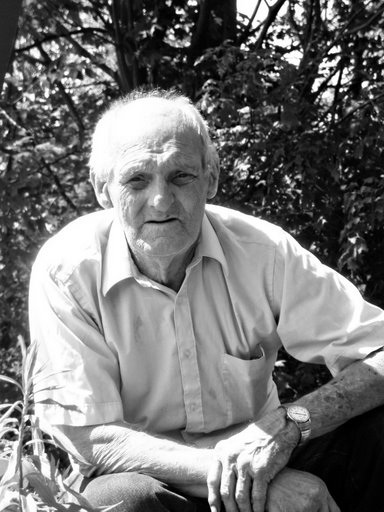
Flooding
“I don’t get much rest when the water is high because we are close to the river and I don’t see how anybody could down through here.“ –Betty Ross
Floods have always been a concern for residents of the Coal River Valley. Tight mountain hollows containing creeks and streams can be hit by sudden flash floods caused by torrential rains. However, floods became a major concern and threat to the communities on Coal River with the onset of timbering, removing the ecosystems that once retained rainwater. Strip mining increased flooding dramatically by removing not only the trees but also by filling the valleys and creeks below with debris.
Listen to Betty Ross explain the fear of flooding caused by MTR on Coal River.
Mountaintop Removal mining involves all of the previous forms of environmental destruction and flood risks, but on a massive scale. The once pleasant creeks and streams of the Coal River region have been transformed by valley fills and unstopped run-off into something to be feared. Jimmy Meadows explains how Mountaintop Removal increases the risk of flooding: “When you destroy the overburden and the cover on the land. It takes… and you have two, three, four, five inches of rain in just a couple days time, the water has no option but to run off as quick as there’s nothing there to slow it down." Flash floods in the late ‘90’s and early 2000’s destroyed property, took lives, and put residents living below valley fills under constant threat of rising waters.
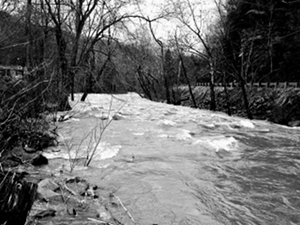
Coal River at high water. Photo by Jen Osha.
In 1998, a flood in White Oak on the Clear Fork killed two people. Phil Pettry, a Clear Fork resident, attributed the flood to increased timbering in preparation for Mountaintop Removal. When referring to conversations between him and other residents, Pettry states, “He said what they’re getting ready to do is some actually scary stripping away of the top soil…pretty soon the whole valley will be washed away." Further floods in the on Sycamore Creek on the Clear Fork in 2001 led to massive devastation of property.
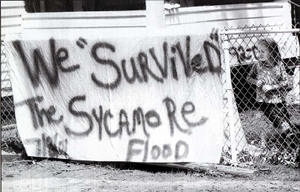
The Sycamore Creek Flood in July of 2001 devastated the communities of Colcord and Dorothy. Photo by Lew Whitener.
The flood plans are based on twenty five year floods. However, residents like Meadows know how MTR has increased the risk of flooding and, “a twenty-five year flood plain is really not a lot of water compared to, if you look back in time on the hundred-year flood like we had in 1985 or like we had in the 90’s or early 2000’s in this area—Clear Fork and all flooded.” When the region suffers floods that should happen only every hundred years multiple times in several decades, the twenty-five year flood plan makes little sense.
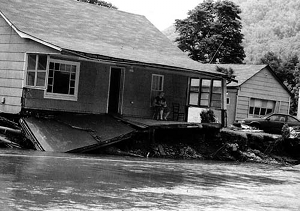
Homes damaged by the flood on Sycamore Creek in 2001. Photo by Sarah Gardner.
Manipulation of the watershed through MTR has turned the creeks into something unpredictable and feared. As Betty Ross states, “when it rains a lot, like in the winter months mostly, and the river begins to rise, I don’t sleep any.” Please read this article in which former Mine Health and Safety Academy Jack Spadaro draws the connection between MTR, flooding and the coal industry and government's denial of the obvious consequences of filling streams and removing topsoil.
[Video no longer available: “Muddy Water” has been removed from MySpace.]
Toxic Lakes
Another major source of fear for Coal River residents is the slurry impoundments built into the hollows to contain coal-preparation byproducts. The lakes of sludge held high in the mountains behind earthen dams are a great fear to residents, particularly after the Buffalo Creek disaster in 1972 and the slurry spill in Martin County, Kentucky in 2000.[5]
Hear Debbie Jarrell explain the fear associated with Marsh Fork Elementary.
The Marsh Fork impoundment on Shumate’s Branch is massive. As Ed Wiley explains, “the toxic waste pond itself, the dam is 375-foot-tall, it's holding back 2.8 billion gallons of toxic waste. It's five acres out of its permitted boundary in the tail waters of it.” The most troubling aspect of the impoundment is that it sits 400 feet above Marsh Fork Elementary School near Sundial. Many Coal River residents have lobbied and fought for a new school location, but Marsh Fork remains open under the shadow of billions of gallons of toxic sludge.
In addition to the fear of flash flooding, many impoundments face the risk of breaking under the weight of heavy rains or through poor maintenance. In the narrow mountain hollows of the Coal River basin, a break in a slurry impoundment would have catastrophic consequences, causing a roaring wave of toxic slurry to rush into the communities below.
The Coal River region also contains the massive Brushy Fork impoundment—possibly the largest impoundment ever constructed. Glenn Meadows lives below the Brushy Fork impoundment. Meadows’ concern represents the danger that impoundments pose to all the communities of the Coal River, stating, “the head of Brushy Fork that, given the right conditions and the right break in the shifting of the earth in the head of that impoundment, that a huge amount of water could come out right here above me.” Meadows continues, more bluntly, “it’d be just like a gate opening up on a dam when it come out of the mountain there.” Slurry impoundments represent another alteration of the landscape by MTR that puts Coal River residents in fear for their homes, communities and lives.
The Closing of The Mountain Commons
In addition to the fear of flash flooding, many impoundments face the risk of breaking under the weight of heavy rains or through poor maintenance. In the narrow mountain hollows of the Coal River basin, a break in a slurry impoundment would have catastrophic consequences, causing a roaring wave of toxic slurry to rush into the communities below.
The Coal River region also contains the massive Brushy Fork impoundment—possibly the largest impoundment ever constructed. Glenn Meadows lives below the Brushy Fork impoundment. Meadows’ concern represents the danger that impoundments pose to all the communities of the Coal River, stating, “the head of Brushy Fork that, given the right conditions and the right break in the shifting of the earth in the head of that impoundment, that a huge amount of water could come out right here above me.” Meadows continues, more bluntly, “it’d be just like a gate opening up on a dam when it come out of the mountain there.” Slurry impoundments represent another alteration of the landscape by MTR that puts Coal River residents in fear for their homes, communities and lives.
The Closing of The Mountain Commons
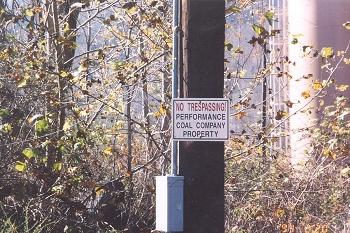
No trespassing! Photo by Rick Bradford.
“You used to be able to go up any hollow, kneel down and get you a drink out of the creek. Not anymore, not anymore. That clean water is gone for the most part in most of our little hollows. You used to be able to go up any hollow and pick black berries or molly moochers or ginseng. Not anymore. It’s gated off, it’s protected by security guards. So MTR has changed a lot in this area.” -Debbie Jarrell
Listen to Debbie Jarrell explain how the lack of access to the mountains has affected her and other resident's lives and freedom.
The early settlers of the Coal River basin were farmers. However, there economy was based on a combination of animal husbandry, agriculture and hunting and gathering in the mountains. The mountainsthemselves were treated as common resources-the ramps, ginseng and other wild greens were openly collected by any resident. Up until the 20th Century, animals foraged openly in the mountain commons. Even after coal and timber came to dominate the economy of the Coal River basin, the traditions of gathering wild greens, ginsenging and hunting remained foundations of the cultural connection residents had to their mountains. Strip mining and especially Mountaintop Removal changed all of this. In the past, land companies purchased the mineral rights of land, keeping the mountains open as a resource to Coal River residents. The environmental effects of slurry dumping, coal dust and valley fills obliterated the ecosystems that were intrinsic the culture of the Coal River basin.
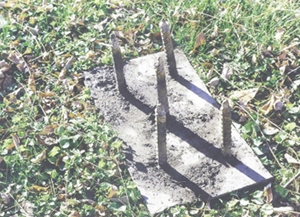
Spikes laid by coal companies to damage the tires of four-wheelers on mountain trails. Photo by Rick Bradford.
Access to the mountains, not simply to those gathering wild greens or hunting but also to those who wish to visit family graveyards, has been restricted as land companies came to value the mountaintops themselves. Many family graveyards are located on the slopes of Bradely, Montcoal and other knobs on Coal River Mountain. Many of these graveyards are located on land that have seen the traditional company/community land use practices transform from mineral rights and community use to no-trespassing signs through the 1980's and 1990's. The access restrictions on the mountains has left family members with relatives buried in mountainside graveyards unable to visit the graves when they wish. Citing safety regulations, coal companies make the visits to the graveyards quite difficult. Betty Ross explains, "my grandmother's buried on Montcoal Mountain and we can't even get up there to see the grave...we tried three different times to get up there. They'd [coal companies] make an excuse and make use wait for a couple of hours or so." Betty continues, "then they'd tell you that you had to wear a helmet. Then we had to sign a lot of papers; in other words, if we were hurt, we couldn't sue them...So they made it so complicated that we never did make it up there."
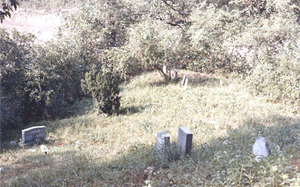
Resident's access to cemeteries, such as this on Shumate's Branch, have been severely restricted by coal companies. Photo by Rick Bradford.
Kenny Cottrell explains that the changes are not just restrictive access, but environmental change itself, “[mountaintop removal] makes it so they block everything off, makes it so you can’t get into it. Plus when you do get in there, there ain’t no nut trees or nothing like that, you know, just brush.” Even in areas where residents can still hunt, fish, collect ginseng and gather wild greens, the environmental devastation of MTR destroys their cultural traditions by destroying the ecosystem. Cottrell remarks on the difficulty in collecting ginseng, a traditional supplement to the income of Coal River residents, “Yeah, access yeah. ‘senging. ‘senging just about passed now. That’s like right now, I ‘senged in Birch last year, got around 4 pound. Next year you go in there where they’re tearin’ it, they all smothered up."
Areas of the basin such as Hazy Creek, famous for it’s abundance of wild greens and ginseng, have had access restricted or have been devastated by the effects of MTR. Mark Ross explains the cultural value residents placed on Hazy, Combined with the outmigration of young people from the region seeking work and the destruction of the mountains, many residents fear that the culture of Coal River may be wiped out with the mountaintops. Betty Ross believes that MTR is destroying valuable lesson that need to be learned by many who live far from nature-lessons the entire country needs to learn: "the people in the cities need to learn how to survive like people in the mountains and othe rparts of the country. They need to learn from older people, to teach 'em how to can, how to garden, how to sew. I can sew."
Hazy was like the Utopia, a Garden of Eden around here where people hunted ginseng, ramps. There was fields of ramps up there as big as football fields. I mean I remember carrying bags of ‘em out of there and had to empty some out because I couldn’t walk the five miles out what with them being so full.
Combined with the outmigration of young people from the region seeking work and the destruction of the mountains, many residents fear that the culture of Coal River may be wiped out with the mountaintops. Betty Ross believes that MTR is destroying valuable lesson that need to be learned by many who live far from nature-lessons the entire country needs to learn: "the people in the cities need to learn how to survive like people in the mountains and othe rparts of the country. They need to learn from older people, to teach 'em how to can, how to garden, how to sew. I can sew."
For more information on sources used in this theme, please see the Notes on Sources page.
Sylvia_Bradford1-max.mp3Sylvia Bradford clip 1hazy-04-hazy-and-shumates-today
Sylvia_Bradford2-max.mp3Sylvia and Rick Bradford on how MTR has affected their liveshazy-04-hazy-and-shumates-today
Sylvia_Bradford3-max.mp3The Bradfords and trainshazy-04-hazy-and-shumates-today
debbie_jarrell-1-max.mp3Debbie Jarrell on disappearing housing stockhazy-04-hazy-and-shumates-today
Charles-EdClip3.mp3Ed Wiley on the Appalachian Mtns. and waterhazy-04-hazy-and-shumates-today
Sylvia_Bradford5-max.mp3The Bradfords on lack of accesshazy-04-hazy-and-shumates-today
debbie_jarrell-1-max.mp3Debbie Jarrell on Marsh Fork Elementarycoal_river_101-06-changes-in-lifestyle
debbie_jarrell-2-max.mp3Debbie Jarrell on lack of access to the mountainscoal_river_101-06-changes-in-lifestyle
MTR2CharlieBEdit1.mp3Charles Ballard on changes since MTRcoal_river_101-06-changes-in-lifestyle
BettyRoss.mp3Betty Ross on Floodingcoal_river_101-06-changes-in-lifestyle
Meadows1.mp3Jimmy Meadows on outmigrationcoal_river_101-05-outmigration
judy_crm_clip1.mp3Judy Bonds on Coal River Mountaincrm-01-current-land-use-on-coal-river-mountain
Charles-EdClip2.mp3Ed Wiley on Health Effects at MFEhazy-02-marsh-fork-elementary
Thompsonclip1.mp3Ernie Thompson on Slurry Impoundmentsmtr-02-environmental-impacts
Thompsonclip2.mp3Ernie Thompson "Money got in the way"mtr-03-legislation-permits-regulations
Maria1.mp3Maria Lambert on Water Qualityprenter-04-health
Rory-GB4.mp3Gary Anderson on Coal River Windwind-01-introduction-to-coal-river-wind
Rory-GB3.mp3Barbara Anderson discusses Mountain Access and Traditional Usewind-01-introduction-to-coal-river-wind
Rory-Chuck1.mp3Chuch Nelson on Threat of Valley Fills on Coal River Mountainwind-02-the-threat-of-mtr-on-coal-river-mountain
Rory-GB2.mp3Gary Anderson describes 2001 Clear Fork Floodswind-02-the-threat-of-mtr-on-coal-river-mountain
Rory-Chuck4.mp3Chuch Nelson "We gotta shut 'em down"wind-02-the-threat-of-mtr-on-coal-river-mountain
Rory-Judy2.mp3Judy Bonds "The Last Vestige of Jobs and Sustainability"wind-03-the-coal-river-mountain-wind-campaign
Rory-GB5.mp3Gary Anderson Imagines a New Wind Industrywind-04-wind-vs-mtr-for-coal-river-mountain-the
Rory-Chuck3.mp3Chuck Nelson "This is Our Last Chance"wind-06-a-just-transition
MTR2VernonHEdit1B.mp3Vernon Haltom on Protecting Places and Resourcescrm-01-current-land-use-on-coal-river-mountain
EdWileyInEdit1.mp3Ed Wiley "A Magical Place"crm-02-community-land-use-in-coal-river-valley
Meadows1.mp3Jimmy Meadows on Loss of Underground Mining Jobscrm-03-undergound-mining
Charles-EdClip1.mp3Ed Wiley on Sludge Impoundmentshazy-02-marsh-fork-elementary
238002.mp3Laffon Pettry, "Molly mooching"crm-02-community-land-use-in-coal-river-valley
080009.mp3Donna Wills, "nothing I can't can"crm-02-community-land-use-in-coal-river-valley
074025.mp3Randy Halstead, Joys of ginsengincrm-02-community-land-use-in-coal-river-valley
077007.mp3Joe Aliff, harvest timecrm-02-community-land-use-in-coal-river-valley
088006.mp3John Bowman, keeping the mash warmcrm-02-community-land-use-in-coal-river-valley
050002.mp3Benny Turner, Native Americans on Bolt Mtn.coal_river_101-01-history-of-coal-river-part-1
077010.mp3Joe Aliff and his Cherokee grandfathercoal_river_101-01-history-of-coal-river-part-1
119011.mp3Howard Miller, corn-woodland-pastureland systemcoal_river_101-01-history-of-coal-river-part-1
215001.mp3Howard Miller, people hiding on mtn. from marauding soldierscoal_river_101-01-history-of-coal-river-part-1
Joe_Aliff_we_had_a_full_fledged_war_077022.mp3Joe Aliff, arming miners for Battle of Blair Mtn.coal_river_101-02-history-of-coal-river-part-2
046012.mp3Mae Bongalis, a visit with Mother Jonescoal_river_101-02-history-of-coal-river-part-2
141006.mp3Cody Dickens, a visit from the land companycoal_river_101-04-absentee-land-ownership
162008.mp3Dr. Jim Michael Wills of Rock Creek on absentee landownershipcoal_river_101-04-absentee-land-ownership
038002.mp3Shorty Bongalis on West Virginians migrating to Ohiocoal_river_101-05-outmigration
088003.mp3John Flynn about moonshinincoal_river_101-05-outmigration
088004.mp3John Bowman, staying in Coal River by moonshinincoal_river_101-05-outmigration
077024.mp3Joe Aliff, how Coal River Mtn. is a drug storecrm-01-current-land-use-on-coal-river-mountain
Thompsonclip1.mp3Ernie Thompson, former mine inspector on slurry impoundmentscrm-05-the-brushy-fork-slurry-impoundment
Jen-JackSpaderoClips.mp3Jack Spadero, engineer on impacts of MTR and slurrycrm-05-the-brushy-fork-slurry-impoundment
Rory-GB4.mp3Gary Anderson, Coal River Mountain Wind campaignwind-06-a-just-transition
Rory-Judy1.mp3Judy Bonds, coal is NOT West Virginiawind-06-a-just-transition
hazy-01-near-the-mouth-of-hazy1hazy3
coal_river_101-01-history-of-coal-river-part-11coal-river-1011
crm-01-current-land-use-on-coal-river-mountain1crm2
prenter-01-prenter-and-surrounding-communities1prenter4
mtr-01-introduction1mtr6
wind-01-introduction-to-coal-river-wind1wind7
cresources-01-community-resource-mapping1cresources5
hazy-02-marsh-fork-elementary2hazy3
coal_river_101-02-history-of-coal-river-part-22coal-river-1011
crm-02-community-land-use-in-coal-river-valley2crm2
prenter-02-water-quality2prenter4
mtr-02-environmental-impacts2mtr6
wind-02-the-threat-of-mtr-on-coal-river-mountain2wind7
cresources-02-children-are-the-future-of-the-coal-rive2cresources5
hazy-03-absentee-land-ownership3hazy3
coal_river_101-03-glimpse-into-a-coal-river-family-mid-20t3coal-river-1011
crm-03-undergound-mining3crm2
prenter-03-coal-slurry3prenter4
mtr-03-legislation-permits-regulations3mtr6
wind-03-the-coal-river-mountain-wind-campaign3wind7
cresources-03-bill-lucas3cresources5
hazy-04-hazy-and-shumates-today4hazy3
coal_river_101-04-absentee-land-ownership4coal-river-1011
crm-04-forest-resources-and-timbering4crm2
prenter-04-health4prenter4
wind-04-wind-vs-mtr-for-coal-river-mountain-the4wind7
cresources-04-chronicling-the-coal-river-valley-s-coal4cresources5
hazy-05-update-lawsuits-possible-new-location-fo5hazy3
coal_river_101-05-outmigration5coal-river-1011
crm-05-the-brushy-fork-slurry-impoundment5crm2
prenter-05-community-responses5prenter4
wind-05-wind-vs-mtr-for-coal-river-mountain-ener5wind7
cresources-05-clear-fork-couple5cresources5
coal_river_101-06-changes-in-lifestyle6coal-river-1011
crm-06-community-letter-to-w-va-gov-joe-manchin6crm2
prenter-06-stories-from-prenter6prenter4
wind-06-a-just-transition6wind7
cresources-06-connie-and-terry-dillon6cresources5
prenter-07-news7prenter4
wind-07-update-blasting-has-begun-on-coal-river7wind7
cresources-07-danny-cook-and-mack-james-creek7cresources5
wind-08-organizing-for-wind-power8wind7
cresources-08-debbie-jarrell8cresources5
cresources-09-delbert-and-judy-gunnoe9cresources5
cresources-10-elmer-mays-horse-creek10cresources5
cresources-11-frankie-mooney11cresources5
cresources-12-gary-and-barb-anderson12cresources5
cresources-13-jimmy-platt13cresources5
cresources-14-junior-walk14cresources5
cresources-15-justin-wills15cresources5
cresources-16-kathleen-dickens16cresources5
cresources-17-kay-and-danny-howell17cresources5
cresources-18-kendra-dickens18cresources5
cresources-19-lonnie-burnside19cresources5
cresources-20-project-build-it-up-wv-summer-youth-prog20cresources5
cresources-21-project-community-greenhouse21cresources5
cresources-22-project-first-solar-thermal-installation22cresources5
cresources-23-project-greenhouse-gardens23cresources5
cresources-24-project-mural-project-in-whitesville24cresources5
cresources-25-project-the-tadpole-project25cresources5
cresources-26-rachel-bey26cresources5
cresources-27-ray-and-lottie-cottrell27cresources5
cresources-28-sandy-simmons28cresources5
cresources-29-shannon-dickens29cresources5
cresources-30-sharon-thompson30cresources5
cresources-31-sheila-and-natasha-walk31cresources5
cresources-32-sherry-geisler32cresources5
cresources-33-wilma-cook33cresources5
Charles Ballardcoal_river_101-06-changes-in-lifestyle
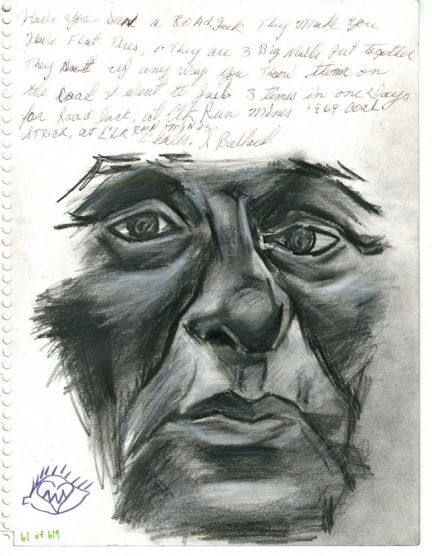
Judy Bondscrm-01-current-land-use-on-coal-river-mountain
Judy Bonds, 1 of 3coal_river_101-01-history-of-coal-river-part-1
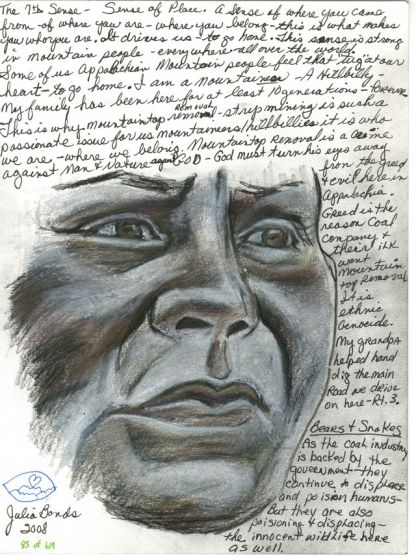
Judy Bonds, 2 of 3coal_river_101-01-history-of-coal-river-part-1
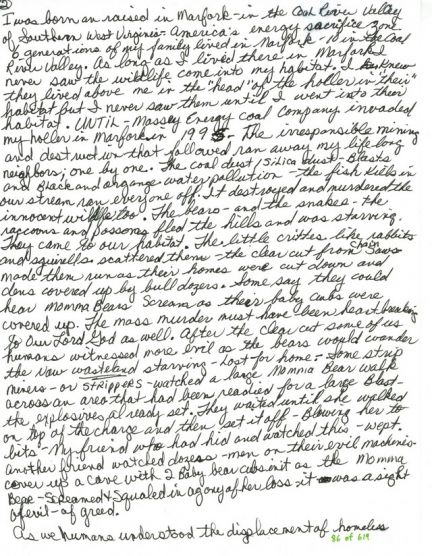
Judy Bonds, 3 of 3coal_river_101-01-history-of-coal-river-part-1
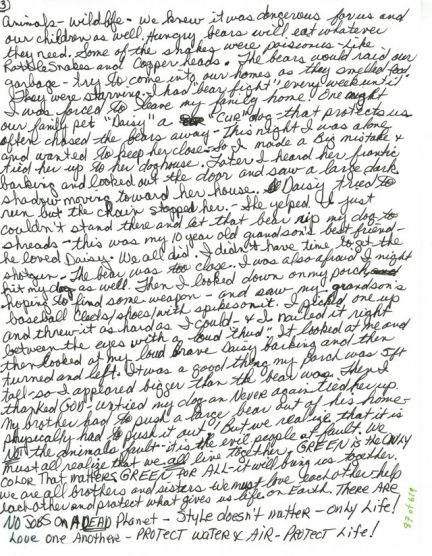
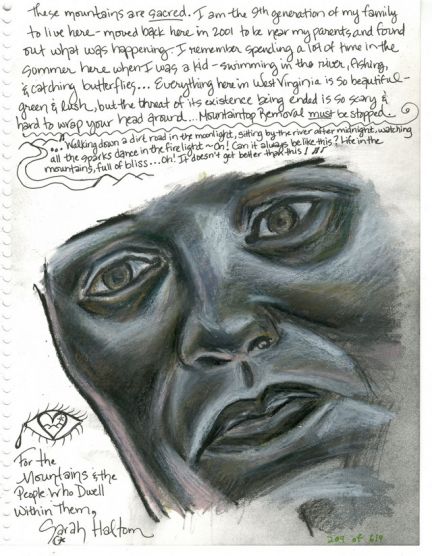
Sarah Haltomcrm-01-current-land-use-on-coal-river-mountain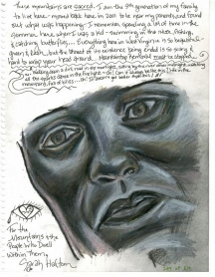
Vernon Haltomcrm-01-current-land-use-on-coal-river-mountain
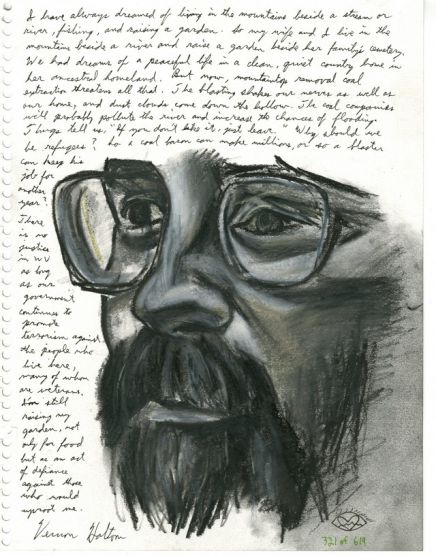
Vernon Haltomhazy-02-marsh-fork-elementary
Debbie Jarrellcoal_river_101-06-changes-in-lifestyle
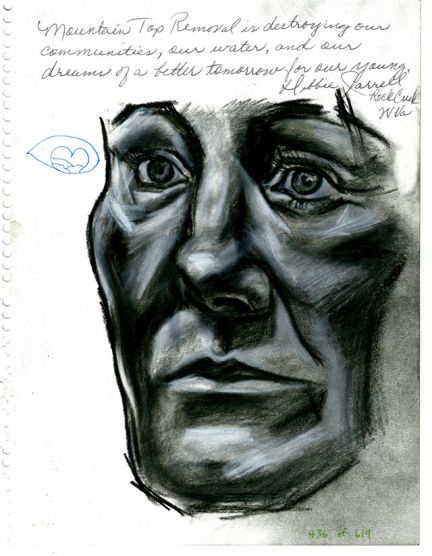
Debbie Jarrellhazy-04-hazy-and-shumates-today
Debbie Jarrellwind-01-introduction-to-coal-river-wind
Debbie Jarrellhazy-02-marsh-fork-elementary
Debbie Jarrellcoal_river_101-05-outmigration
Jen Oshacrm-03-undergound-mining
Jen Oshacoal_river_101-06-changes-in-lifestyle
Jen Oshahazy-04-hazy-and-shumates-today
Jen Oshacrm-05-the-brushy-fork-slurry-impoundment
Jen Oshaprenter-07-news
Jen Oshacrm-04-forest-resources-and-timbering
Jen Oshahazy-01-near-the-mouth-of-hazy
Jen Oshahazy-02-marsh-fork-elementary
Ed Wileyhazy-02-marsh-fork-elementary
Ed Wileyhazy-04-hazy-and-shumates-today
Ed Wileycrm-02-community-land-use-in-coal-river-valley
Ed Wileycoal_river_101-06-changes-in-lifestyle